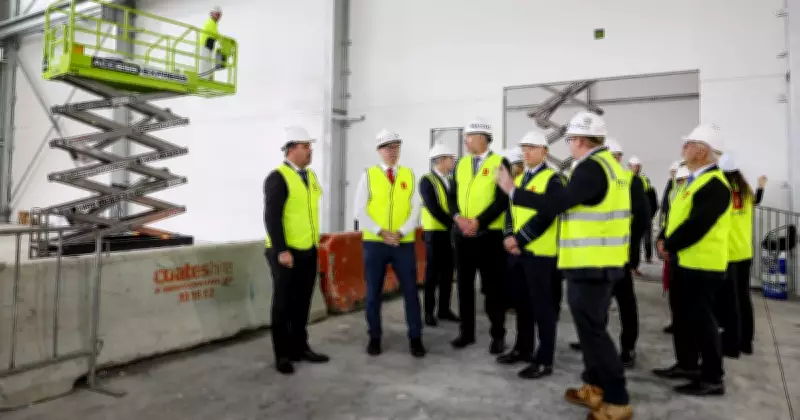
The Hunter region is set to receive a significant economic boost with the establishment of a new missile factory in Williamtown. The facility, which will focus on advanced manufacturing, is expected to create hundreds of new jobs for the local community.
Project Overview
The missile factory will be built at the Williamtown Airport precinct, leveraging the existing infrastructure and skilled workforce in the area. The project is part of a broader initiative to strengthen Australia's defence capabilities and promote local manufacturing.
Job Creation and Economic Impact
According to government officials, the factory will generate approximately 500 direct jobs during the construction phase and an additional 300 ongoing positions once operational. These roles will range from engineers and technicians to administrative staff, providing a diverse range of employment opportunities for residents.

The economic ripple effect is expected to be substantial, with local businesses benefiting from increased demand for goods and services. The factory will also attract investment in related industries, such as logistics and supply chain management.
Strategic Importance
The Williamtown site was chosen due to its proximity to RAAF Base Williamtown, a key defence installation. This location will facilitate collaboration between the military and private sector, enhancing Australia's sovereign defence capabilities.
The factory will produce advanced missile systems designed to meet the needs of the Australian Defence Force. This move aligns with the government's Defence Strategic Review, which emphasises the importance of domestic manufacturing for national security.
Community and Environmental Considerations
Local community leaders have expressed support for the project, citing the potential for long-term economic growth. However, concerns about environmental impacts have been raised, particularly regarding noise and emissions. The project developers have committed to conducting thorough environmental assessments and implementing mitigation measures.
Consultations with indigenous groups and local stakeholders are underway to ensure the project respects cultural heritage and community values.
Timeline and Next Steps
Construction is expected to begin in early 2025, with the factory becoming operational by 2027. The project will proceed through a series of planning and approval stages, including environmental impact assessments and community consultations.
Interested parties are encouraged to participate in the consultation process to provide feedback and stay informed about developments.
The missile factory represents a major step forward for the Hunter region, promising to deliver jobs, economic growth, and enhanced defence capabilities for Australia.