A proposed $200 million marine complex in Australia has been dealt a significant blow after the local council rejected the development application, casting uncertainty over whether the project will ultimately secure approval.
The ambitious project, which aimed to transform the waterfront with a mix of commercial, residential, and recreational facilities, was turned down by the council citing concerns over environmental impact, traffic congestion, and community opposition.
Project Details and Rejection
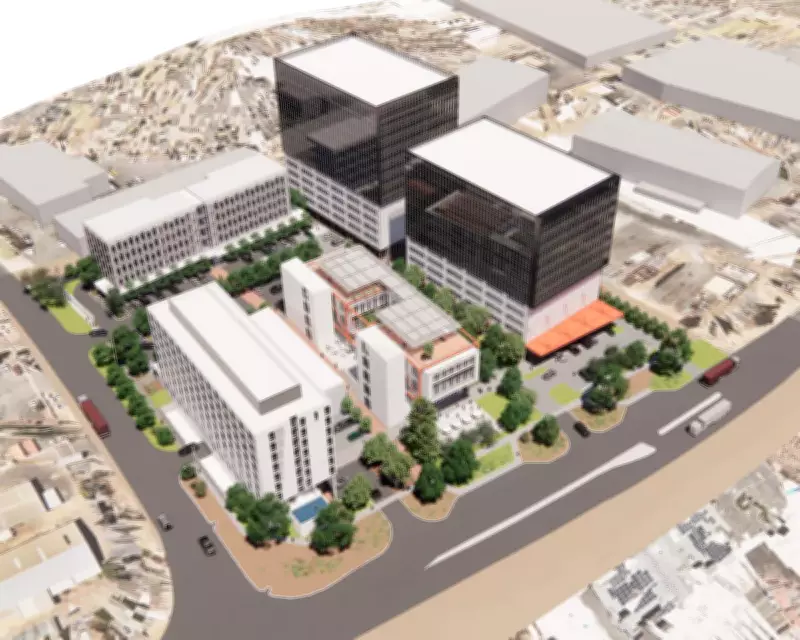
The marine complex was planned to include a marina, hotel, apartments, retail spaces, and public amenities. Developers had touted it as a major economic boost for the region, promising hundreds of jobs and increased tourism. However, the council's rejection has thrown the project into limbo.

Council members voted against the proposal after a lengthy debate, with many expressing reservations about the scale of the development and its potential effects on the local environment. The decision has left developers considering their options, including the possibility of appealing to a higher planning authority.
Environmental and Community Concerns
Environmental groups had campaigned against the project, arguing that it would harm marine habitats and increase pollution. Local residents also voiced concerns about increased traffic and strain on infrastructure. The council's decision reflects these worries, with a spokesperson stating that the project did not adequately address sustainability and community needs.
Developers, however, have expressed disappointment, emphasizing the project's potential benefits. They noted that extensive studies had been conducted to mitigate environmental impacts and that the development would have included green technologies and public green spaces.
What's Next for the Project?
The rejection does not necessarily mean the end of the project. Developers can submit a revised application or appeal to the state's planning tribunal. The outcome will depend on whether they can address the council's concerns and secure broader community support.
Industry experts suggest that the project's fate may hinge on political dynamics and the willingness of higher authorities to override local objections. The case highlights the growing tension between development and environmental preservation in Australia's coastal regions.
As the developers regroup, the future of the $200 million marine complex remains uncertain, with stakeholders on all sides watching closely.