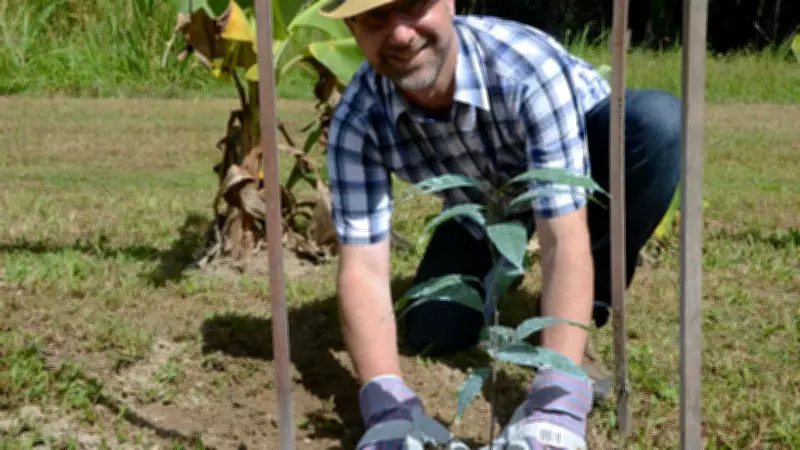
Cocoa Shortage Opens Doors for Far North Queensland Farmers
A global cocoa shortage is creating significant opportunities for farmers in Far North Queensland, as local growers ramp up production to meet increasing demand. This shortage, driven by climate change and disease in major cocoa-producing regions like West Africa, has led to soaring prices and a renewed focus on alternative sources, including Australia's tropical north.
Rising Demand and Local Expansion
Farmers in areas such as Port Douglas and the Atherton Tablelands are expanding their cocoa plantations to capitalize on the market gap. With cocoa prices hitting record highs, these growers are investing in new crops and sustainable farming practices to boost yields. The region's ideal climate—characterized by warm temperatures and high humidity—provides perfect conditions for cocoa cultivation, making it a viable alternative to traditional crops.
Industry experts note that this shift could transform Far North Queensland into a key player in the global cocoa market. Local cooperatives are forming to support farmers with resources and training, ensuring high-quality production that meets international standards. This collaborative effort aims to establish a reliable supply chain for chocolate manufacturers seeking stable sources amid the shortage.

Challenges and Sustainable Solutions
Despite the opportunities, farmers face challenges such as pests, water management, and the need for specialized knowledge. To address these issues, agricultural researchers are developing disease-resistant cocoa varieties and promoting eco-friendly techniques. These innovations not only enhance productivity but also align with consumer demand for sustainably sourced chocolate.
Government initiatives are also playing a role, with grants and subsidies available to support new cocoa ventures. This financial assistance helps farmers overcome initial setup costs and encourages long-term investment in the sector. As a result, more land is being converted to cocoa farming, contributing to regional economic growth and job creation.
Future Outlook for the Industry
The cocoa shortage is expected to persist in the coming years, offering sustained opportunities for Far North Queensland farmers. By increasing production and improving quality, the region can reduce reliance on imports and strengthen Australia's food security. This development highlights the importance of diversifying agricultural practices in response to global market shifts.
In summary, the global cocoa crisis is turning into a boon for Far North Queensland, with farmers poised to benefit from higher prices and growing demand. Through innovation and collaboration, this emerging industry could become a cornerstone of the local economy, providing a sweet success story for Australian agriculture.