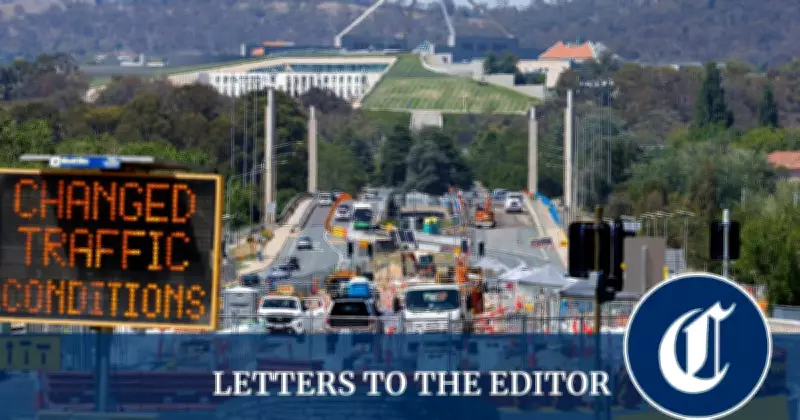
The ACT government has officially confirmed its commitment to the Woden light rail project, moving forward despite previous expert advice that raised significant concerns about its feasibility and cost-effectiveness. The decision has sparked debate among policymakers, transport experts, and residents, with many questioning the rationale behind proceeding with a project that was previously deemed problematic.
Background of the Woden Light Rail
The Woden light rail extension has been a contentious issue in Canberra for years. Initially proposed as a key component of the city's public transport network, the project aims to connect the Woden Town Centre to the existing light rail line. However, a 2021 review by Infrastructure Australia advised against the project, citing insufficient patronage projections and high capital costs. Despite this, the ACT government has now announced it will proceed, arguing that the project is essential for future urban development and reducing car dependency.
Government's Justification
Chief Minister Andrew Barr defended the decision, stating that the light rail is a long-term investment in Canberra's growth. "The Woden light rail will support sustainable development, improve connectivity, and reduce emissions," Barr said. He emphasized that the project aligns with the government's climate goals and transport strategy. The government also pointed to potential economic benefits, including job creation during construction and increased property values along the corridor.

Criticism and Concerns
Opposition leaders and transport advocates have criticized the move. Shadow Transport Minister Mark Parton argued that the government is ignoring expert advice and risking taxpayer money. "This is a multibillion-dollar project with uncertain benefits," Parton said. "We need to prioritize more cost-effective solutions like bus rapid transit." Additionally, some residents have expressed concerns about disruption during construction and the potential for increased rates to fund the project.
- Infrastructure Australia's 2021 review found the project's benefit-cost ratio was below the threshold for federal funding.
- Patronage forecasts have been questioned, with some experts suggesting the route may not attract enough riders to justify the expense.
- The project's estimated cost has risen from $1.5 billion to over $2 billion, raising further concerns about budget management.
Next Steps
The government has announced that detailed planning and environmental assessments will begin shortly, with construction expected to start in 2025. The project will be delivered in stages, with the first section from the city to Woden targeted for completion by 2030. The government has also committed to engaging with the community throughout the process to address concerns.
As the debate continues, the Woden light rail remains a focal point of Canberra's transport future. Whether it will deliver the promised benefits or become a costly white elephant remains to be seen.