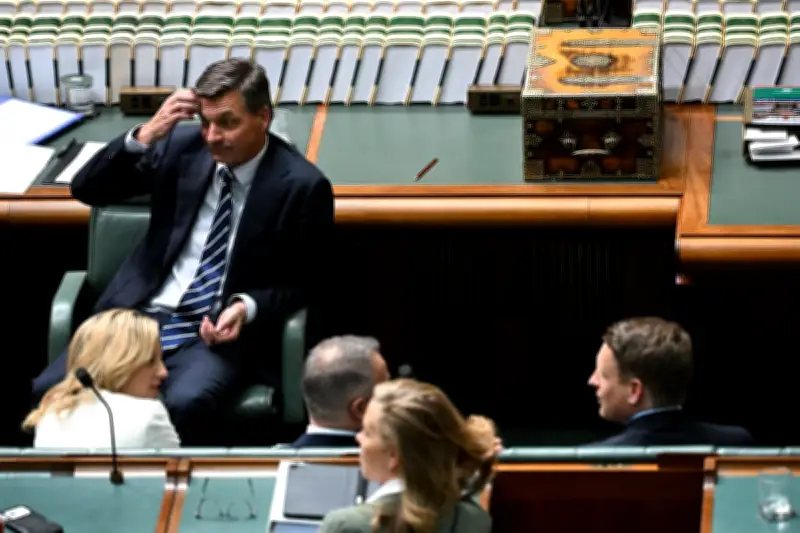
Angus Taylor has emerged as a frontrunner for the Liberal Party leadership, positioning himself as a key figure in the Coalition's rebuild while taking a firm stance against One Nation. The former energy minister is rallying support among colleagues, arguing that the party must differentiate itself from the right-wing minor party to win back moderate voters.
Taylor's leadership pitch
Speaking to party insiders, Taylor has emphasised the need for a clear conservative agenda that does not cede ground to One Nation. He has pointed to his experience in economic management and energy policy as assets for the party's future direction. According to sources, Taylor has secured backing from several moderate MPs who view him as a unifying figure capable of bridging internal divisions.
One Nation opposition
Taylor has explicitly ruled out any formal alliance with One Nation, stating that the Coalition must remain a mainstream conservative force. This stance is seen as a response to former leader Peter Dutton's increasingly hardline positions, which some believe alienated centrist voters. The Liberal Party is in a period of reflection after its heavy defeat in the May election, with many MPs calling for a return to the political centre.

Internal dynamics
While Taylor is considered a leading candidate, he faces competition from other potential contenders, including shadow treasurer Jane Hume and backbencher Andrew Bragg. The leadership contest is expected to be resolved in the coming weeks, with a party room meeting scheduled for late July. Taylor's campaign has also highlighted his work on the party's election review, which criticised the Coalition's failure to connect with younger voters and families.
Reaction from One Nation
One Nation leader Pauline Hanson has dismissed Taylor's approach, accusing him of being out of touch with conservative voters. In a statement, Hanson said: 'Angus Taylor is part of a Liberal Party that has lost its way. They talk about opposing us, but they have adopted many of our policies on energy and immigration. The Coalition needs to decide if it wants to be a pale imitation of One Nation or a genuine alternative.'
Broader Coalition strategy
The leadership battle comes as the Coalition seeks to define its identity post-election. Some MPs advocate for a more centrist approach, while others push for a harder conservative line to fend off challenges from One Nation and the United Australia Party. Taylor's positioning suggests he is aiming to straddle these factions, but it remains uncertain whether he can unite the party room.