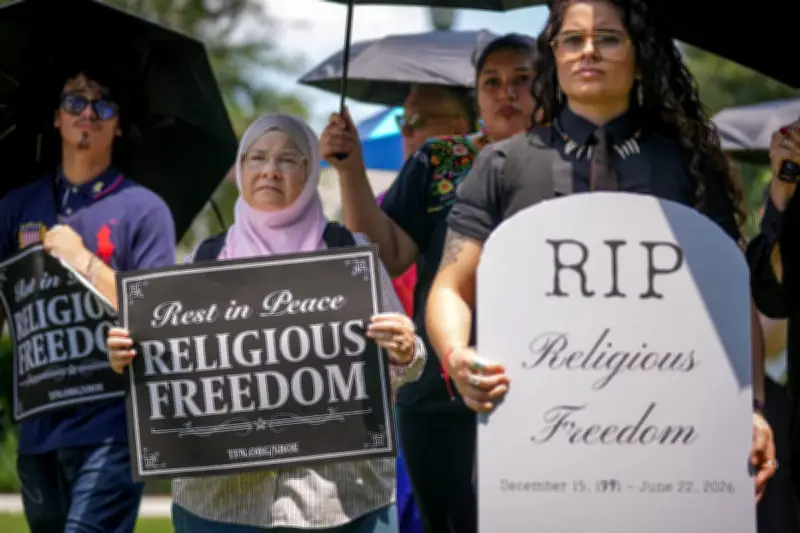
The Texas State Board of Education has voted to mandate the inclusion of Bible-based instructional materials in public school classrooms, a decision that has ignited a fierce debate over the separation of church and state. The new curriculum, approved on June 25, 2026, requires that lessons drawn from the Bible be taught in elementary and secondary schools, with an emphasis on its historical and literary significance.
Curriculum Details and Implementation
Under the approved plan, schools must incorporate Bible stories and teachings into reading, social studies, and other subjects. The curriculum, developed by the Texas Education Agency, includes specific references to passages such as the Ten Commandments and the Sermon on the Mount. Districts have until the 2027-2028 school year to fully implement the changes, with optional pilot programs starting in fall 2026.
State Board of Education member Pat Hardy, a Republican, stated, "This is about ensuring students understand the foundational texts that have shaped Western civilization. It is not about promoting religion." However, critics argue that the mandate blurs the line between education and religious indoctrination.

Legal and Political Reactions
The American Civil Liberties Union (ACLU) of Texas has announced plans to challenge the mandate in court, calling it a violation of the First Amendment. "This is a clear attempt to inject a specific religious viewpoint into public schools," said ACLU attorney Sarah Walker. "Public education must remain neutral on matters of faith."
Governor Greg Abbott defended the decision, saying, "Texas is proud to restore the Bible to its rightful place in our classrooms. Our children deserve to know the moral and historical foundations of our nation." The vote was 8-5 along party lines, with all Republican members supporting the measure.
Impact on Students and Teachers
Teachers are now required to undergo training on how to present the material objectively. The Texas Education Agency has allocated $50 million for curriculum development and teacher training. Some educators have expressed concern about the additional workload and the potential for controversy in the classroom.
According to a survey by the Texas State Teachers Association, 62% of teachers opposed the mandate, citing fears of alienating students of diverse religious backgrounds. The new policy is expected to affect approximately 5.4 million students across the state.
National Implications
Texas is the largest state to adopt such a mandate, and its decision could influence other states. Similar proposals are being considered in Oklahoma, Louisiana, and Florida. The move has drawn praise from conservative groups like the Family Research Council, while organizations such as Americans United for Separation of Church and State have condemned it.
As the legal battle looms, the nation watches to see if this curriculum will withstand constitutional scrutiny or set a precedent for religious instruction in public schools.