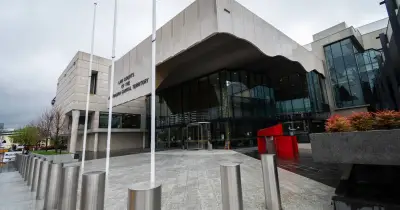
A teenager accused of plotting a terror attack targeting former Home Affairs Minister Peter Dutton has been found not guilty by the Supreme Court of Queensland. The verdict, delivered on June 25, 2026, concluded a high-profile trial that raised questions about the handling of terrorism-related cases in Australia.
Court Ruling and Evidence
Justice Susan Brown ruled that the prosecution failed to provide sufficient evidence to prove the teen intended to carry out an attack. The court heard that the 17-year-old, who cannot be named due to legal restrictions, had been under surveillance for months. Police alleged he had researched Dutton's schedule and discussed acquiring weapons, but the defense argued this was merely teenage bravado and online role-playing.
According to court documents, the teen's online searches included phrases like "how to make a bomb" and "Dutton security details," but no concrete plans or materials were found. The prosecution's key witness, a former friend, testified that the teen had expressed admiration for Islamic State, but the defense highlighted inconsistencies in his testimony.

Reactions and Implications
Peter Dutton, now the Leader of the Opposition, declined to comment on the verdict, but a spokesperson said he respected the judicial process. The case has reignited debate about Australia's counter-terrorism laws, with civil liberties groups arguing that the teen was unfairly targeted. "This verdict shows that the law must not be used to punish thoughts alone," said Samantha Lee, a lawyer for the teen.
The Australian Federal Police issued a statement saying they remain vigilant against all threats, regardless of the outcome. The teen is expected to be released from custody, though he may face ongoing monitoring.
Broader Context
This case is one of several involving young Australians accused of terror-related offenses. In 2024, a similar case in Sydney resulted in a conviction, but the defendant was later released on appeal. Experts say the rise of online radicalization poses challenges for law enforcement, who must balance prevention with civil liberties. "We need to ensure our laws are robust but fair," said Dr. Mark Thompson, a counter-terrorism analyst at the Australian National University.