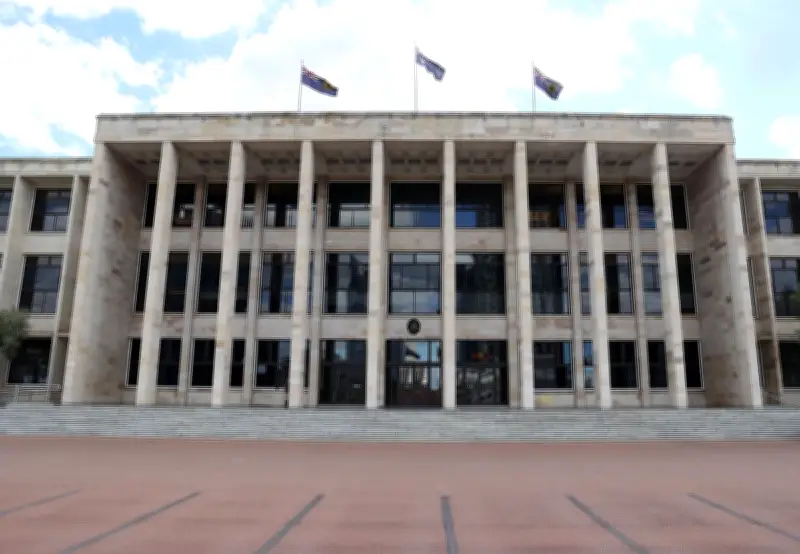
The Western Australian Planning Commission has released a new draft planning policy for Perth's Parliament House precinct, inviting public comment on the first major update to the area's development framework since 1983.
Key Changes in the Draft Policy
The proposed policy aims to preserve Parliament House's status as one of the state's most significant landmarks while introducing new priorities, including Indigenous cultural recognition, public accessibility, sustainability, and stricter development controls. It replaces the existing document that guided development for over four decades.
The original 1983 plan focused heavily on protecting the building's visual prominence and its relationship with the city skyline and the Swan River. It stated: "Parliament House should always be visible and accessible. It should be part of a wider design embracing a Parliamentary Precinct. Its visual linkage with the City should be evident and its place in the whole composition should be respected. Although it may not be the biggest or highest building, it should be the dominant element at the head of the Terrace."

Despite significant CBD development over the past 40 years, this core idea remains unchanged in the new draft.
Transforming the Precinct into an Active Destination
The new draft seeks to transform the precinct into a more active destination after parliamentary business hours. It states: "Establish strategic objectives for the Parliament House Precinct which reflect its standing as an area of State importance and develop its landmark and destination status. Multi-use and flexible spaces that accommodate safe weekend and night time as well as work hour uses are encouraged."
Recognition of Aboriginal Cultural Significance
One of the biggest changes is the formal acknowledgment of the site's Aboriginal cultural significance. The planning framework recognizes Parliament Hill as an important Whadjuk Noongar place. The new policy notes: "Prior to colonisation, the Mt Eliza escarpment was central to Noongar creation mythology, and known by a number of names, including Geenunginy Bo meaning 'the place for looking a long way', as it provided expansive views across Whadjuk Noongar Country."
It also requires future development to incorporate Aboriginal knowledge through its design, stating: "The design process and outcomes embody Designing with Country knowledge, values and practices." Additionally, the draft says using Western Australian materials should be prioritized and showcased.
Public Consultation Now Open
The draft policy is open for public consultation until August 3. This marks the first major revision to the planning framework for the Parliament House precinct since 1983, reflecting evolving priorities in urban design, sustainability, and cultural recognition.