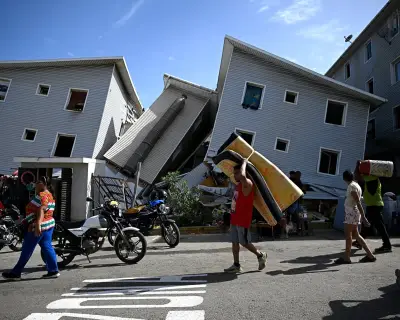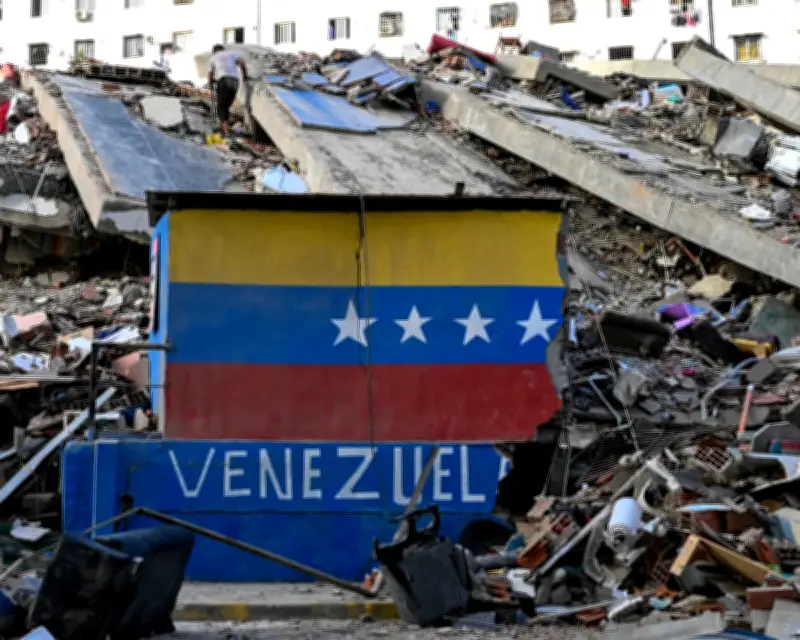
More than 58,000 buildings have been destroyed in the series of powerful earthquakes that struck Venezuela this month, according to the latest government assessment. The staggering figure highlights the scale of destruction that has left hundreds of thousands of people homeless and overwhelmed the country's already fragile infrastructure.
Devastation Across Multiple States
The earthquakes, which began on June 15 and continued with aftershocks for days, primarily affected the states of Lara, Falcón, and Yaracuy. In the city of Barquisimeto alone, over 12,000 structures collapsed or were rendered uninhabitable. 'We are talking about tonnes and tonnes of rubble,' said Interior Minister Carmen Meléndez in a press conference. 'The situation is critical.'
Rescue teams have been working around the clock to search for survivors, but the death toll has risen to at least 2,300, with more than 8,000 injured. The government has declared a state of emergency in the affected regions and called for international aid.

Housing Crisis Deepens
The destruction of homes has exacerbated Venezuela's existing housing shortage. According to the Ministry of Housing, an estimated 350,000 people have been displaced. Temporary shelters are overflowing, and many families are sleeping in the open. 'We have lost everything,' said María López, a resident of Carora. 'My house is just a pile of bricks.'
The government has pledged to build 100,000 new homes within a year, but critics question the feasibility given the country's economic crisis. The cost of reconstruction is estimated at $8 billion, a sum that Venezuela's cash-strapped government can ill afford.
Infrastructure and Economic Impact
Beyond housing, the earthquakes have damaged roads, bridges, hospitals, and schools. The main highway connecting Caracas to the western states is partially blocked by landslides, hampering relief efforts. Power and water outages have been reported in several cities.
The economic toll is also severe. The affected region is a key agricultural area, and damage to storage facilities and irrigation systems threatens food production. The Central Bank of Venezuela estimates that the earthquakes could shave 3% off GDP this year.
International organizations, including the United Nations and the Red Cross, have begun mobilizing aid. However, the political isolation of the Maduro government has complicated efforts. Many countries have offered assistance but are wary of dealing with a regime they consider illegitimate.
Long-term Recovery Challenges
Experts warn that recovery will take years. 'Venezuela was already in a deep recession, with hyperinflation and a collapse of public services,' said economist Luis Oliveros. 'This disaster will set back any recovery by at least a decade.'
In the meantime, the immediate priority is to provide shelter, food, and medical care to the displaced. The government has deployed the military to assist in relief operations, but resources are stretched thin. 'We are doing everything we can with what we have,' said Meléndez. 'But we need the world's help.'