The United States launched a second day of airstrikes against Iran on Thursday, escalating a military confrontation that has raised fears of a broader war in the Middle East. President Donald Trump warned that the strikes would continue unless Tehran agreed to negotiate a new nuclear deal.
Second Wave of Strikes Targets Military Sites
The Pentagon said the latest strikes targeted Iranian air defense systems and missile batteries, following a first wave that hit nuclear facilities and military installations on Wednesday. The operation, dubbed "Operation Freedom," involved B-2 stealth bombers and Tomahawk cruise missiles launched from Navy ships in the Persian Gulf.
According to a senior US defense official, the strikes destroyed or damaged more than 20 targets, including a key command center in Isfahan and a missile base near Bushehr. “We are taking decisive action to protect American interests and our allies,” the official said.

Trump Threatens More Action
President Trump, speaking from the White House, said the strikes were a response to Iran’s “continued aggression” and its refusal to abandon its nuclear program. “If Iran does not immediately cease its hostile activities and come to the table for a real nuclear deal, we will hit them harder than they have ever been hit before,” Trump said.
The president added that the US was prepared for a “sustained campaign” if necessary, but expressed hope that Tehran would choose diplomacy. “We are not looking for war, but we will not tolerate threats to our nation or our people,” he said.
Iran Vows Retaliation
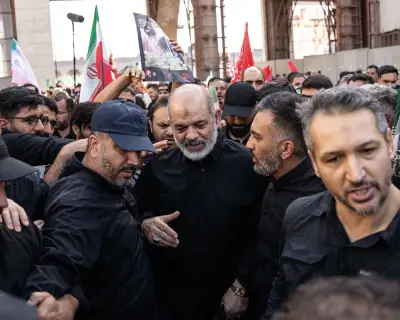
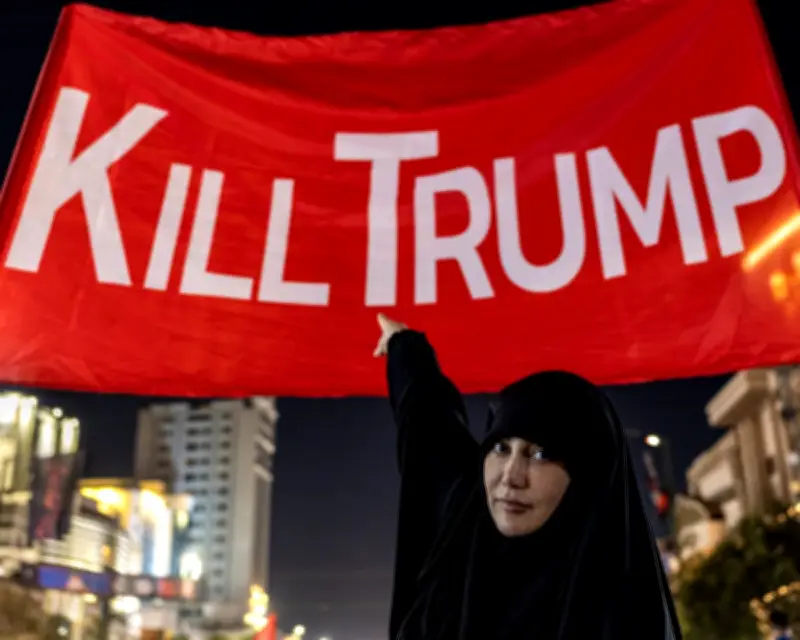
Iranian officials condemned the strikes as “blatant aggression” and vowed to retaliate. Iran’s Supreme Leader Ayatollah Ali Khamenei called for a “proportional response” in a statement broadcast on state television. “The enemy will regret this reckless act,” he said.
Iran’s Foreign Minister Mohammad Javad Zarif said Tehran would file a complaint with the United Nations and seek emergency meetings of the Security Council. “The United States has violated international law and must be held accountable,” Zarif said in a tweet.
International Reactions
World leaders urged restraint. United Nations Secretary-General António Guterres called for an immediate ceasefire and a return to negotiations. “The region cannot afford another war,” he said in a statement.
European Union foreign policy chief Josep Borrell said the bloc was “deeply concerned” and called on both sides to de-escalate. Russia and China condemned the US strikes, with Moscow warning of “catastrophic consequences” for regional stability.
Impact on Oil Markets and Global Economy
The escalation sent oil prices soaring, with Brent crude rising above $120 a barrel for the first time in months. Stock markets in Asia and Europe fell sharply on fears of a prolonged conflict. Analysts warned that a disruption to oil supplies from the Strait of Hormuz could trigger a global recession.
“If Iran retaliates by targeting oil infrastructure or shipping, we could see a severe energy crisis,” said energy analyst Sarah Emerson of Energy Security Advisors. “The global economy is already fragile, and this could push it over the edge.”
Domestic Political Fallout
In the United States, the strikes drew mixed reactions. Republican leaders largely supported Trump’s action, with Senate Majority Leader Mitch McConnell saying the president “acted decisively to protect American lives.”
Democratic leaders, however, criticized the strikes as unauthorized by Congress. House Speaker Nancy Pelosi said the administration “must immediately brief Congress” on the strategy and legal basis for the operation. “This is a dangerous escalation that could drag us into another endless war,” Pelosi said in a statement.
Anti-war activists planned protests in Washington and other cities for the weekend, calling for an end to military action.
What Comes Next
The Trump administration has not ruled out further strikes, and US military assets in the region remain on high alert. The Pentagon said it had deployed additional Patriot missile batteries and fighter jets to the Gulf to defend against potential Iranian retaliation.

Iran’s response could range from cyberattacks and proxy strikes by allied militias in Iraq and Yemen to direct missile attacks on US bases or Israel. The situation remains highly volatile, with diplomatic channels largely closed.