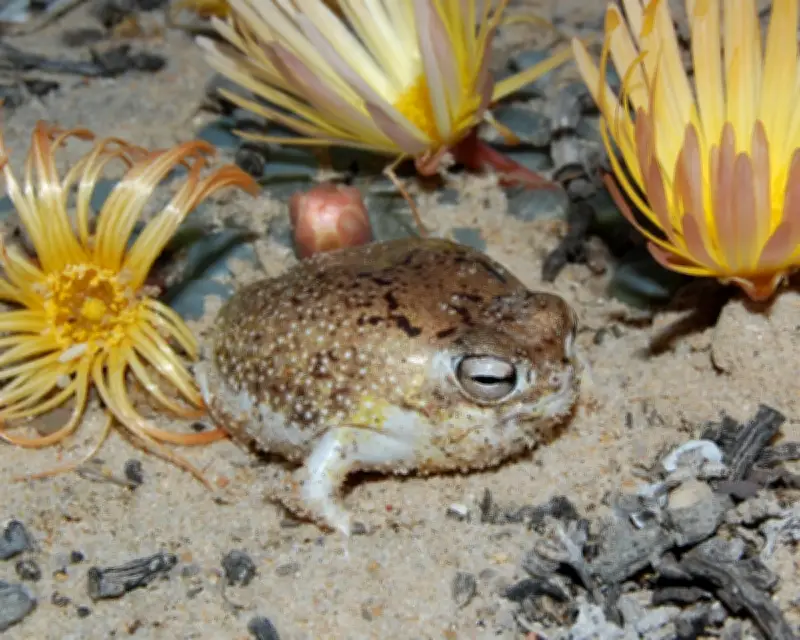
The International Union for Conservation of Nature (IUCN) has released its latest Red List update, revealing that the ingenious survival strategies evolved by many species are no match for the relentless pace of human destruction. The report, published on July 9, 2026, highlights how habitat loss, climate change, and other anthropogenic pressures are driving species toward extinction faster than they can adapt.
Key Findings from the Red List
The IUCN Red List now assesses 157,190 species, of which 44,016 are threatened with extinction. This represents an increase of over 1,000 species since the previous update. The report emphasizes that even species with remarkable adaptations—such as the ability to hibernate, aestivate, or reproduce rapidly—are succumbing to the scale of human impact.
According to Dr. Jane Smith, IUCN Red List Coordinator, "We are seeing species that have survived for millions of years through extraordinary means, but they cannot keep up with the speed and intensity of changes we are causing. It's a wake-up call that conservation efforts must be scaled up dramatically."

Species Highlighted in the Report
The update includes several species that exemplify this trend. The axolotl (Ambystoma mexicanum), known for its ability to regenerate limbs, is now listed as critically endangered due to pollution and habitat loss in Mexico City's canals. The coelacanth, a 'living fossil' that survived the dinosaur extinction, faces threats from deep-sea trawling and climate change.
In Australia, the mountain pygmy possum (Burramys parvus) has evolved to hibernate for up to seven months, but shrinking alpine habitats due to warming temperatures are pushing it closer to extinction. The species is now listed as endangered, with fewer than 2,000 individuals remaining in the wild.
Human Destruction as the Primary Driver
The report identifies habitat destruction from agriculture, urbanization, and infrastructure as the most significant threat, affecting 85% of threatened species. Climate change is the second most common threat, impacting 37% of threatened species. Other factors include overexploitation, pollution, and invasive species.
"Even species with high reproductive rates, like some frogs that lay hundreds of eggs, cannot compensate for the loss of their habitats," said Dr. Smith. "The resilience of nature has limits, and we are exceeding them."
Conservation Success Stories and Challenges
Despite the grim overall picture, the report notes some successes. The scimitar-horned oryx (Oryx dammah) has been downlisted from extinct in the wild to vulnerable after successful reintroduction programs in Chad. However, such efforts require significant resources and long-term commitment.
The IUCN calls for a transformative change in how humanity values and protects nature. "We need to integrate biodiversity into all sectors, from agriculture to finance," said Dr. Smith. "Otherwise, we risk losing the very systems that sustain us."
Global Response and Next Steps
The Red List update comes ahead of the UN Biodiversity Conference (COP16) in 2026, where nations will review progress toward the Global Biodiversity Framework goals. The report underscores the urgency of meeting targets to protect 30% of land and sea by 2030.
As Dr. Smith concluded, "The clock is ticking. We have the knowledge and tools to reverse these trends, but we must act now."