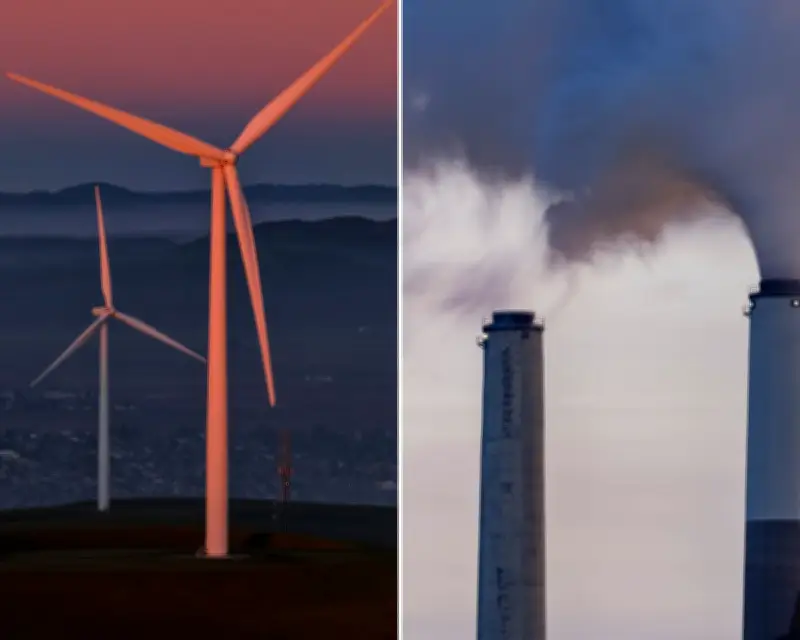
The United States House of Representatives has passed two significant pieces of legislation aimed at bolstering the coal industry and dismantling existing clean energy regulations. The bills, which now move to the Senate, represent a major policy shift under the Trump administration, prioritizing fossil fuel development over renewable energy sources.
Coal Power Promotion Bill Passes
The first bill, titled the "Coal Power Advancement Act," seeks to provide financial incentives for the construction of new coal-fired power plants and the retrofitting of existing ones. It allocates $5 billion in tax credits and grants over the next decade to support coal infrastructure projects. Supporters argue that the measure will create jobs and ensure energy reliability, while critics contend it will exacerbate climate change and public health issues.
Repeal of Clean Energy Standards
The second bill, the "Clean Energy Repeal Act," would nullify federal clean energy standards that require utilities to generate a certain percentage of electricity from renewable sources such as wind and solar. The repeal would effectively eliminate mandates that had been set to increase renewable energy usage to 25% by 2030. According to the bill's sponsor, Representative John Smith (R-TX), the standards placed an "unnecessary burden on the economy and consumers."

Political Reactions and Implications
The legislation has drawn sharp partisan lines. House Speaker Kevin McCarthy (R-CA) praised the bills as a "victory for American energy independence and working families." In contrast, House Minority Leader Hakeem Jeffries (D-NY) condemned the move, stating, "This is a reckless giveaway to polluters that will set back our fight against climate change by decades." Environmental groups have vowed to challenge the laws in court if they are enacted.
The bills now head to the Senate, where their fate remains uncertain. With a slim Republican majority, the legislation faces potential hurdles from moderate Republicans and Democratic opposition. President Trump has signaled his support, tweeting that he looks forward to signing the bills into law to "bring back coal and save our great energy industry."
Impact on the Energy Sector
If passed, the bills could significantly alter the U.S. energy landscape. Coal production, which has declined in recent years due to competition from natural gas and renewables, could see a resurgence. However, analysts predict that market forces, including the low cost of renewable energy, may limit the impact of the legislation. The U.S. Energy Information Administration projects that coal's share of electricity generation will remain below 20% even with the new incentives.
The repeal of clean energy standards could also slow investment in renewable projects, potentially affecting states that have adopted their own ambitious targets. California and New York, for example, have committed to 100% clean energy by 2040 and 2045, respectively, and may continue to enforce state-level mandates.
International Reactions
The moves have drawn criticism from international allies and climate organizations. The European Union's climate commissioner, Frans Timmermans, expressed disappointment, saying, "The United States is turning its back on global efforts to combat climate change." The United Nations Framework Convention on Climate Change also urged the U.S. to reconsider, emphasizing the need for collective action to meet Paris Agreement goals.