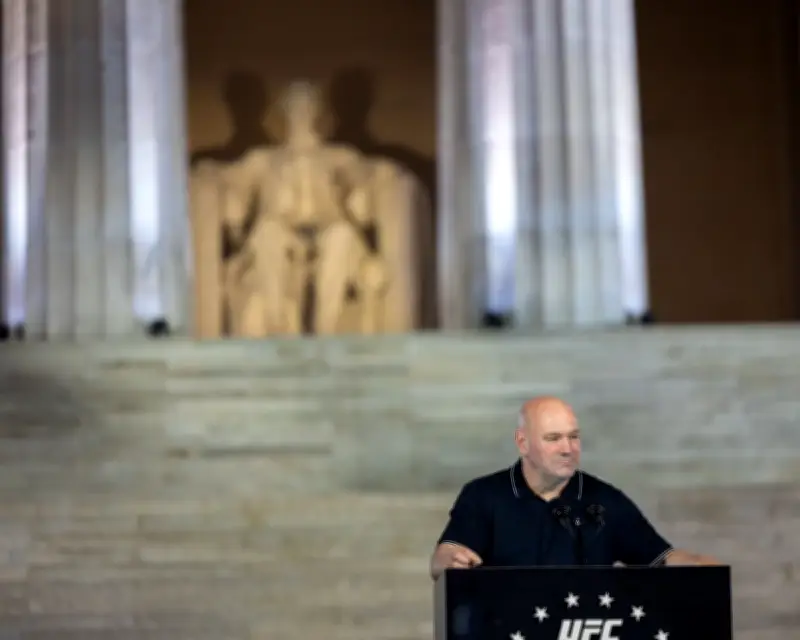
In a move that has sparked widespread outrage, former President Donald Trump has been accused of desecrating the Lincoln Memorial, a site considered by many to be a civic sacred ground. The memorial, dedicated to Abraham Lincoln, the 16th president of the United States, has long stood as a symbol of unity, freedom, and national healing. However, recent events have led to claims that Trump's actions have tarnished its legacy.
A Symbol Under Siege
The Lincoln Memorial is more than just a tourist attraction; it is a hallowed space where Martin Luther King Jr. delivered his iconic "I Have a Dream" speech and where countless Americans have gathered to reflect on the nation's values. Critics argue that Trump's use of the memorial for political purposes, including campaign rallies and photo opportunities, has diminished its solemnity and turned it into a partisan backdrop.
Historical Context
Since its dedication in 1922, the Lincoln Memorial has been a site for significant civil rights milestones and presidential addresses. It represents the ideals of equality and justice that Lincoln championed. Trump's critics contend that his actions, such as posing for photos with firearms at the memorial, are a stark contrast to the reverence the site deserves.

Political Reactions
The controversy has drawn sharp reactions from both sides of the political aisle. Democrats have condemned Trump's behavior, calling it a disgrace to Lincoln's memory. Some Republicans have remained silent, while others have defended Trump's right to use public spaces. However, many historians and civic leaders have voiced concern over the politicization of national monuments.
Civic Sacred Ground
The term "civic sacred ground" refers to spaces that hold deep symbolic meaning for a nation's identity and values. The Lincoln Memorial is one such place, where Americans come to honor the past and inspire the future. Desecration, whether intentional or not, can erode the shared sense of history and purpose that binds the country together.
As the debate continues, it raises important questions about the role of national monuments in modern political discourse. Should these sites remain above the fray of partisan politics, or are they fair game for any leader to use as they see fit? For many, the answer is clear: some places should be preserved as symbols of unity, not division.