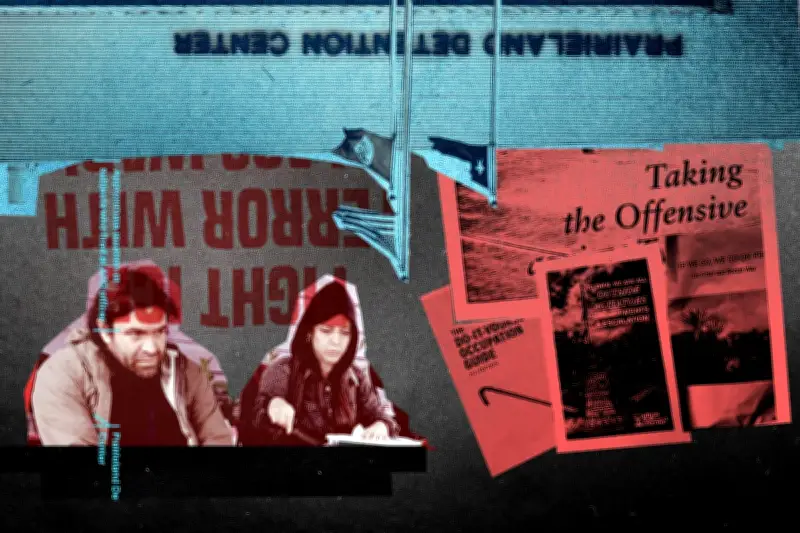
In the small town of Prairieland, Texas, a wave of protests against Immigration and Customs Enforcement (ICE) has given rise to an unexpected underground movement: a network of zines that amplify immigrant voices and document resistance. These handmade publications, often photocopied and distributed secretly, have become a vital outlet for stories overlooked by mainstream media.
Origins of the Zine Movement
The protests began in early 2026 after a series of ICE raids in Prairieland, a community with a significant immigrant population. According to local activist Maria Gonzalez, the raids sparked outrage. “People were terrified, but also angry. We needed a way to share our experiences without fear of retaliation,” she said. The first zine, titled Voces Sin Fronteras (Voices Without Borders), appeared within weeks.
The zines feature personal narratives, poems, and artwork, often created anonymously. Topics range from the trauma of family separations to practical advice on knowing one’s rights during ICE encounters. One issue included a hand-drawn map of safe spaces in the town.

Impact and Reach
Despite their low-tech nature, the zines have spread beyond Prairieland. Organizers estimate that over 2,000 copies have been distributed across Texas and neighboring states. The movement has inspired similar projects in other communities facing immigration enforcement. “It’s about reclaiming our narrative,” said Gonzalez. “We are not just statistics; we have stories that matter.”
The zines have also caught the attention of scholars. Dr. Elena Martinez, a professor of ethnic studies at the University of Texas, noted, “These zines are a form of grassroots journalism and cultural preservation. They document a moment in history that might otherwise be lost.”
Challenges and Risks
Producing and distributing the zines carries risks. Authors and distributors face potential surveillance or retaliation. Some have been created using pseudonyms, and distribution relies on trusted networks. “We have to be careful,” said a contributor who wished to remain anonymous. “But the need to speak out is stronger than the fear.”
The movement has also faced criticism from those who view it as divisive. Local conservative activist Tom Harris argued, “These zines promote lawlessness and undermine ICE’s efforts to enforce immigration laws.” However, supporters counter that the zines focus on human rights and due process.
Looking Ahead
The zine movement shows no signs of slowing. Plans are underway for a compilation volume that will be archived at a university library. Organizers hope to expand the network to include digital versions while maintaining security. “This is just the beginning,” said Gonzalez. “We will continue to tell our stories, no matter what.”