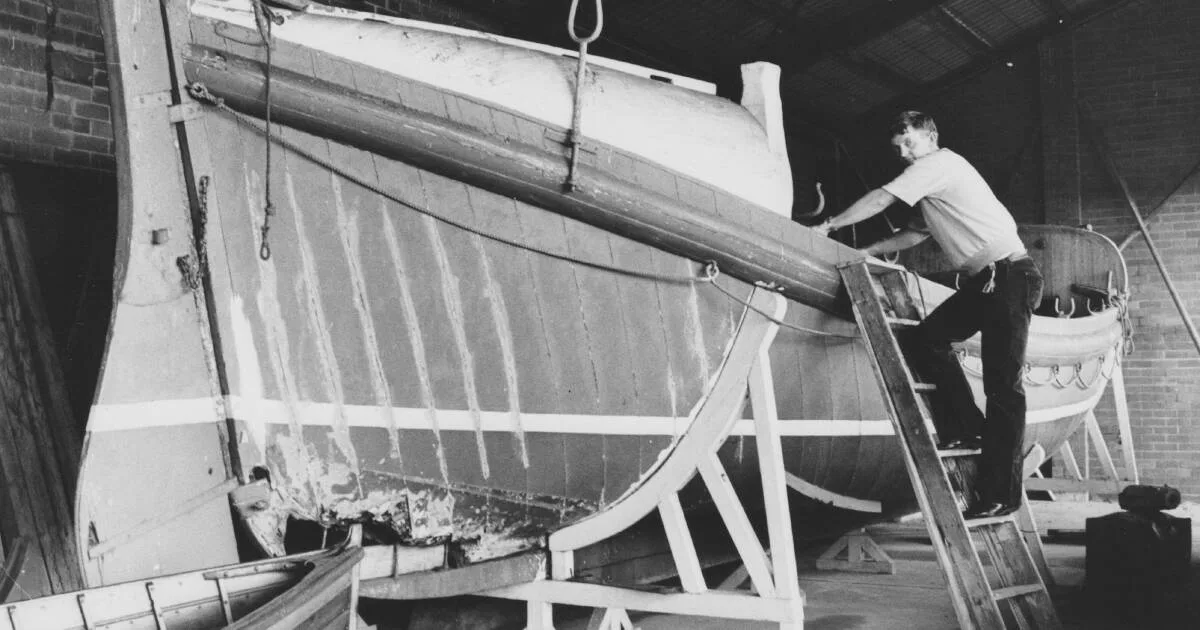
For decades, a 10-ton mahogany lifeboat stood by the Pacific Highway at Hexham, west of Newcastle, a relic of the city's maritime past. The Victoria II, a 39-foot vessel built with a double skin of diagonal planking and canvas, had served Newcastle Harbour for 49 years, rescuing sailors from one of the world's most dangerous 19th-century ports. It could self-right in 11 seconds if capsized, thanks to buoyancy tanks.
Imported from England, the lifeboat was launched in May 1897 and retired in 1946, after which it was placed in an open-air shed near the Oak Milk Bar. By March 1985, it was moved to a secure shed at Fort Scratchley, home of the now-defunct Newcastle Maritime Museum. In May 2018, it was relocated to the restored 'A' shed on Lee Wharf, but the museum had to vacate for a commercial winery venture that never materialised.
The Victoria II was among 19 items transferred on loan to Newcastle Museum in February 2022, including a 19th-century rocket brigade cart used to fire rescue lines to ships offshore. The rocket brigade operated from 1866 to 1974, with crews often carrying heavy equipment up to 30 kilometres along the beach to assist shipwreck victims.

Newcastle's lifeboat service began in 1808 with convict-manned boats. The first purpose-built lifeboat, Victoria I, arrived in September 1867 and lasted 30 years despite being expected to last only 12. Its maiden voyage in May 1869 saw the crew battle a gale for 20 hours without food or water, but all seamen on the stricken brig were lost.
An older lifeboat from 1858 became unseaworthy in 1876, but not before capsizing in March 1864 while aiding the ship Zone, drowning four people. Bill Hillier of the Victoria lifeboat descendants group estimated 350 men served in lifeboat crews over 108 years of operation from 1838 to 1946.
Author Pamela B. Harrison, in her 2009 book "Man the Lifeboat," paid tribute to the crews' heroism and endurance. She described their work as a mix of heroism and despair, sacrifice and success, noting they faced drowning regularly while rowing open boats in desperate efforts to save lives.