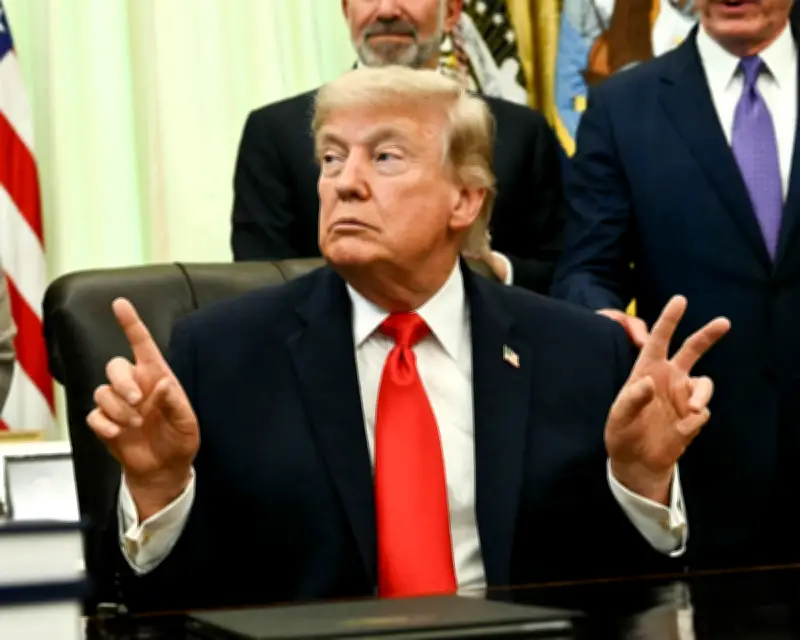
A key provision of the Foreign Intelligence Surveillance Act (FISA) is set to expire on Friday night, as a political firestorm erupts over President Donald Trump's announcement that Bill Pulte, head of the Federal Housing Finance Agency and a major Republican donor, would serve as acting Director of National Intelligence (DNI).
Trump's Move to Quell Furor
Trump has attempted to contain the backlash by nominating another senior official, Jay Carney, to take the DNI role on a permanent basis. However, the US Congress has so far failed to extend Section 702 of FISA ahead of the Friday deadline, leaving the surveillance program in limbo.
Long-Standing Concerns Resurface
While the controversy over Pulte has thrust FISA back into the spotlight, the program's balance between civil liberties and national security has been a subject of heated debate for months and even years. Jason Pye, vice-president of the Due Process Institute, a bipartisan nonprofit focused largely on criminal justice, noted: "If Bill Pulte had never become part of the conversation, many of the underlying concerns about Section 702 – if not all of them – would still exist. These debates didn't start in this Congress, and they didn't start with this administration."

What Happens Next?
As the deadline looms, here is our explainer on what happens next if Section 702 expires, including potential impacts on intelligence gathering and privacy protections.