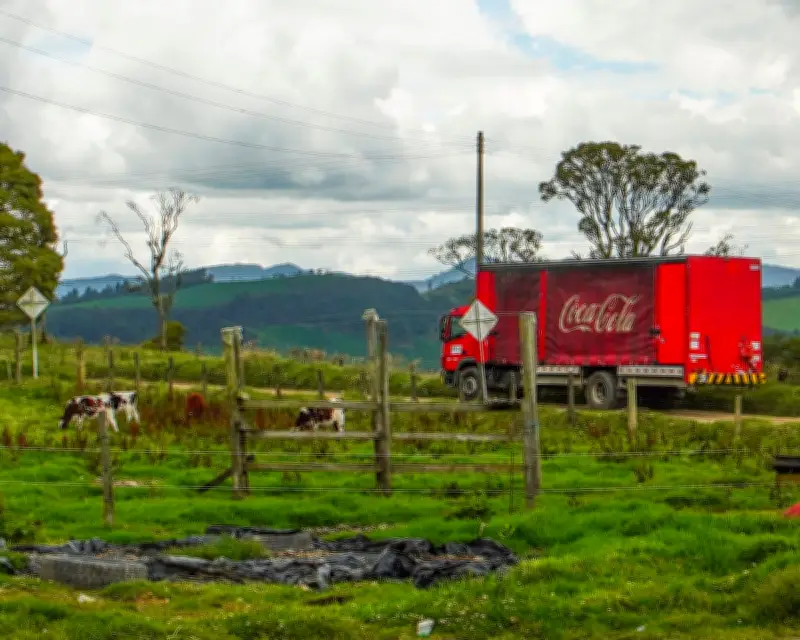
In the Colombian town of La Calera, a bitter dispute over water resources has erupted, with residents pointing fingers at a subsidiary of the Coca-Cola Company for exacerbating a severe water shortage. The town, nestled in the mountains near Bogotá, has been grappling with water rationing for months, and locals allege that the soft drink giant's local bottling plant is draining the natural springs that supply their community.
Water Rationing Crisis
La Calera, home to about 30,000 people, has been experiencing increasingly stringent water rationing measures. Residents report that water is only available for a few hours each day, and in some neighborhoods, taps run dry for days at a time. The situation has sparked protests and demands for action from local authorities.
According to community leaders, the crisis began shortly after Coca-Cola's subsidiary, Embotelladora de la Sabana, expanded its operations in the area. The plant, which produces beverages for distribution across the region, is accused of extracting vast quantities of water from the same aquifers that feed La Calera's municipal supply.

Accusations Against Coca-Cola
“We have seen our streams and springs diminish significantly since the plant increased production,” said Maria Fernanda Rojas, a local activist. “Coca-Cola is taking our water to sell sugary drinks, while our children go without clean water for basic needs.”
The company has denied the allegations, stating that it operates within the legal limits set by environmental authorities. In a statement, Coca-Cola said it uses only a fraction of the water available in the region and has implemented conservation measures. However, residents remain unconvinced, pointing to the timing of the rationing and the plant's expansion.
Government Response
Local government officials have launched an investigation into the water usage of the plant. The mayor's office has called for a comprehensive audit of water extraction permits and has urged the national government to intervene. Meanwhile, the regional environmental agency has imposed temporary restrictions on industrial water use, but residents say these measures are insufficient.
“We need a long-term solution that prioritizes human consumption over corporate profits,” said councilman Diego Morales. “The current system favors big business, and our community is suffering as a result.”
Broader Implications
The conflict in La Calera highlights a growing global concern over water privatization and corporate water use. As climate change intensifies droughts, competition for water resources is expected to increase. Colombia, despite its reputation for abundant rainfall, is not immune to water stress, particularly in high-altitude regions where glaciers and springs are vulnerable.
Environmental experts warn that unless regulations are strengthened, similar conflicts could arise elsewhere. “Water is a fundamental human right, not a commodity to be exploited,” said Dr. Ana Lucia Gutierrez, a water resource specialist at the National University of Colombia. “We need stricter oversight and community participation in water management decisions.”
For now, the people of La Calera continue to endure daily hardships, with many relying on water trucks and bottled water. The standoff between the community and Coca-Cola shows no signs of resolution, as both sides dig in for a protracted battle over the town's most precious resource.