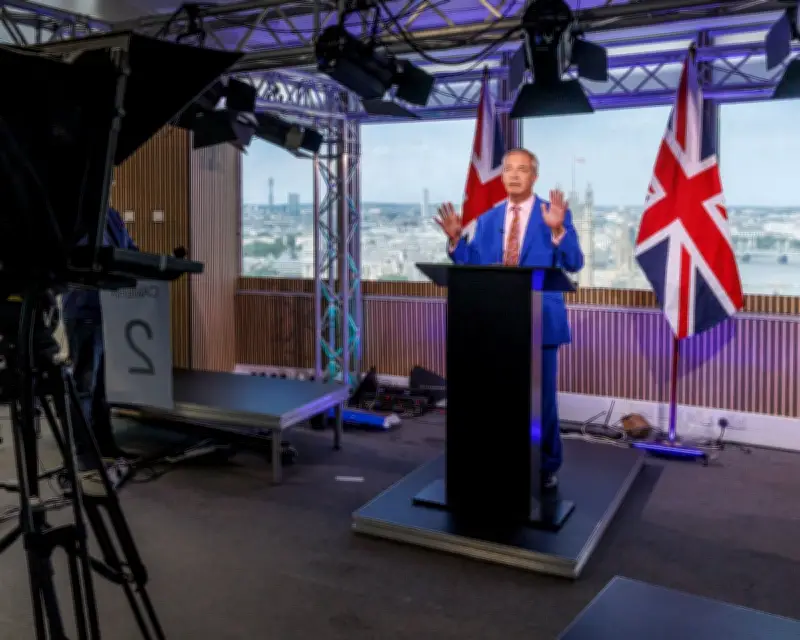
Nigel Farage's bold strategy to contest a parliamentary byelection appears to have backfired spectacularly, as internal party divisions and a voter backlash have eroded support for his Reform UK party. The move, intended to capitalize on growing discontent with the Conservative government, has instead exposed fractures within the fledgling party and alienated key segments of the electorate.
Byelection Gamble Unravels
Farage, the former Brexit Party leader, announced his candidacy for the safe Conservative seat of Clacton-on-Sea, hoping to replicate his previous electoral successes. However, early polling shows Reform UK trailing in third place, behind both the Conservatives and Labour, with just 18% of the vote. This represents a significant drop from the party's national polling average of 25% just weeks ago.
According to Dr. Emily Thornberry, a political analyst at the University of Essex, "Farage's decision to focus on a single byelection has backfired because it has turned the spotlight on internal party conflicts and policy inconsistencies. Voters are seeing a party that is not ready for prime time."

Internal Party Divisions
The campaign has been plagued by infighting, with senior party figures publicly disagreeing over key policies. Deputy leader Richard Tice criticized Farage's decision to prioritize immigration over economic issues, stating in a leaked memo, "We cannot win on a single-issue platform. Voters care about the cost of living and public services."
Additionally, the party's candidate selection process has come under fire, with allegations that Farage sidelined local members in favor of London-based loyalists. This has led to a revolt among local branches, with several key activists resigning in protest.
Voter Backlash
Voters in Clacton-on-Sea have expressed frustration with what they see as a cynical political stunt. Local resident Sarah Jenkins, 45, told reporters, "I voted for Brexit and I supported Farage in the past, but this feels like he's using us for his own ambitions. He doesn't care about our town."
Data from the polling firm YouGov shows that 62% of voters in the constituency view Farage unfavorably, up from 48% nationally. The Conservative candidate, James Brokenshire, has seen a surge in support, with his approval rating rising by 12 points since the campaign began.
Impact on National Politics
The byelection setback has broader implications for Reform UK's national ambitions. The party had hoped to position itself as a major force in the next general election, but the Clacton result may deter potential donors and candidates. Political commentator Andrew Marr noted, "Farage's gamble has exposed the limits of his appeal. If he can't win in a Brexit-voting coastal town, where can he win?"
The Conservatives, meanwhile, have seized on the opportunity to paint Reform UK as a divided and unserious outfit. Prime Minister Rishi Sunak said in a speech, "This byelection shows that voting for Reform UK is a wasted vote. The only way to stop Labour is to vote Conservative."
What Next for Farage?
Farage has dismissed the polls as "biased" and vowed to campaign harder, but the writing appears to be on the wall. If Reform UK fails to make a strong showing in Clacton, it could trigger a leadership challenge and a fundamental reassessment of the party's strategy.
"Farage has always been a master of political disruption, but this time he may have overreached," said Dr. Thornberry. "The byelection was meant to be a launchpad, but it could end up being the beginning of the end for his party."