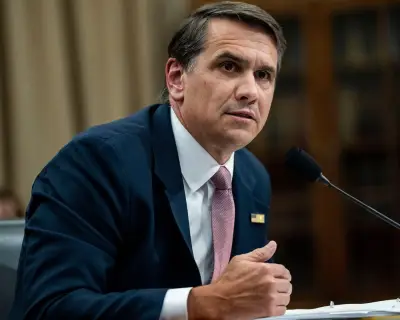
Colorado Governor Vetoes Surveillance Pricing Ban
Colorado Governor Jared Polis on Tuesday vetoed a bill that would have banned companies from using surveillance pricing to set wages and consumer goods prices, marking the second time in 12 months he has blocked such legislation. The measure would have been the strongest in the nation against algorithmic pricing, surpassing a Maryland law enacted in April that only applies to grocery stores.
Governor's Concerns
In his veto letter, Polis argued the bill was overly broad and would "inadvertently capture innocuous uses of technology that in no way harms – and indeed benefits – consumers and workers." He also said it would "punish differentially lower prices, not just higher prices," echoing concerns from business groups.
Consumer Advocates React
Consumer advocates expressed disappointment. Pat Garofalo, director of state and local policy at the American Economic Liberties Project, stated: "Governor Polis had an opportunity to stand with working Coloradans, but instead chose to side with the dominant corporations using invasive surveillance data to pick their pockets."

Scope of the Bill
The proposed law would have banned companies from using algorithms powered by artificial intelligence or other data-processing techniques to set individualized prices or wages based on collected personal data, including location, purchase history, financial status, travel habits, and affiliations. Critics argue such practices allow companies to charge the maximum a buyer is willing to pay and pay workers the minimum they will accept. The bill included exemptions for loyalty program discounts and transparent markdowns for students and seniors.
National Trend
Many states are considering similar bans. Connecticut approved a sweeping consumer privacy bill in May that includes rules against surveillance pricing. New York's attorney general supports a ban, and a bill has passed the state senate. Maryland's April ban, limited to grocery store prices, was criticized for industry carveouts. Colorado's broader bill applied to all industries and covered wages, targeting practices like ride-share companies setting driver wages based on collected data.
Industry and Federal Response
The Travel Technology Association argued the bill would disrupt competitive markets and expose platforms to litigation. The Federal Trade Commission under the Biden administration documented examples of surveillance pricing but the current FTC chair, Andrew Ferguson, has characterized previous reports as rushed. On May 18, a bipartisan group of 16 state attorneys general wrote to the FTC urging action on deceptive pricing practices, including surveillance pricing.