In August 1967, activist Stokely Carmichael was banned from entering Britain. An ally of Martin Luther King Jr. and head of the Student Nonviolent Coordinating Committee, Carmichael was barred after delivering a militant speech on racism and black power at a leftwing festival in Camden. Conservative MP Patrick Wall, a member of the Monday Club advocating for the "voluntary" repatriation of black people, claimed Carmichael advocated racial violence. Labour Home Secretary Roy Jenkins, typically seen as a liberal reformer, revoked Carmichael's visa—an act now viewed as petty authoritarianism aimed at stifling subversive ideas.
History Repeats with Uygur and Piker
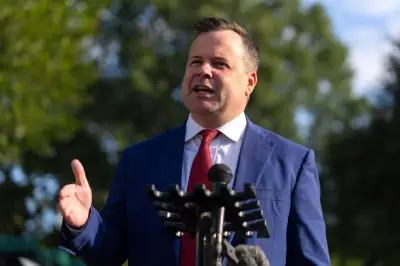
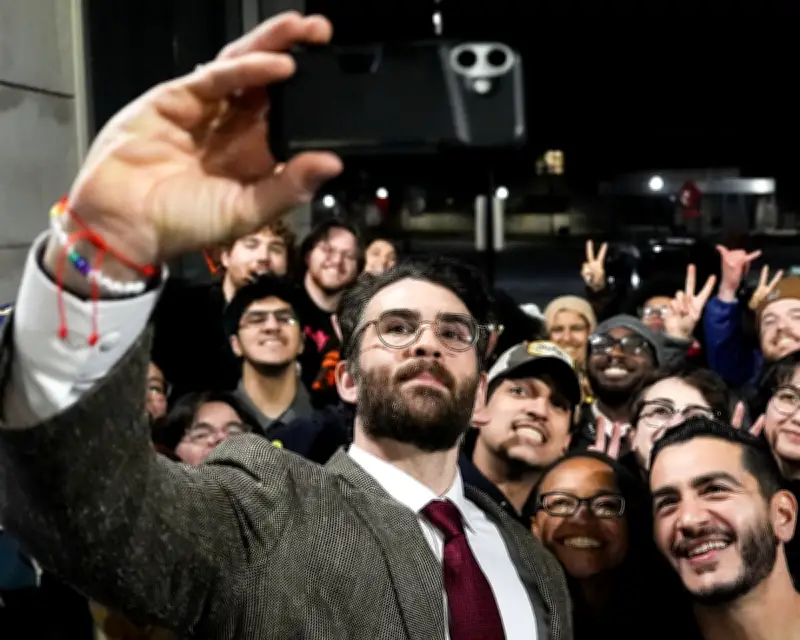
The Home Office's decision on Monday to ban Cenk Uygur of The Young Turks and his nephew, streamer Hasan Piker, from entering the UK mirrors that past. The government stated their presence "may not be conducive to the public good" without specific reasoning. They were barred from speaking at the London offshoot of the SXSW festival.
Unlike extremists with histories of violence, Uygur and Piker have held relatively mainstream political views. Uygur supported President Barack Obama in 2010 and later Bernie Sanders. Bhaskar Sunkara of Jacobin magazine described Piker as "a socialist who talks about class politics, foreign policy and the failures of the American system with a directness that resonates with millions." However, both are prone to reckless speech; Piker has said Hamas is "a thousand times better than Israel," a comment that wins online audiences but causes offense.

Uygur claimed he was banned for stating that "Israel controls the American government through donations to 94% of Congress," which he says is factual. Yet the claim is ambiguous: Israel doesn't make donations, Congress isn't the whole government, and "control" implies a value judgment. If the government bans those whose speech could be considered antisemitic, what about figures like Boris Johnson or Nigel Farage?
Broader Powers and Free Speech Concerns
Uygur and Piker sought only a few days' entry to speak at an event. The ban implies their views are too shocking for Britain to tolerate even briefly. Unlike 60 years ago, communication today allows remote participation; the Oxford Union plans to host Piker virtually.
The Home Office has acquired ever-broader powers to refuse visas on grounds including national security, criminality, "unacceptable behaviour," and potential harm to foreign relations. From 2010 to 2022, about 30 people per year were excluded. These powers are too broad: ministers should not ban citizens of other countries simply because their views are objectionable, nor should "unacceptable behaviour" be a vague threshold. This decision fits a pattern of narrowing speech and political freedoms, including restricting jury trials, extending prison for protesters, and attempting to overturn the court ruling on Palestine Action.
Free speech was won by renegades and offensive people. In 1963, Conservative Home Secretary Henry Brooke banned US comic Lenny Bruce, saying his presence "would not have been in the public interest." Labour MP Tom Driberg questioned whether this was an abuse of power, stating, "If they are doing it because they don't like his act, that is introducing administratively a new form of censorship." The case of Uygur and Piker raises the same question today.