The private financial affairs of the British Royal Family are often shrouded in mystery, but a newly released official report has laid bare the substantial income of the Prince and Princess of Wales. The figures, which cover the upcoming financial year, reveal the couple's funding from one of the oldest and largest estates in the United Kingdom.
The Duchy of Cornwall's Multi-Million Pound Surplus
According to the annual report from the Duchy of Cornwall, the estate generated a staggering £22.9 million (approximately AU$46.05 million) for William and Catherine during the 2024-2025 financial period. This income is not a salary but the surplus generated by the vast Duchy estate, which Prince William has controlled since 2022.
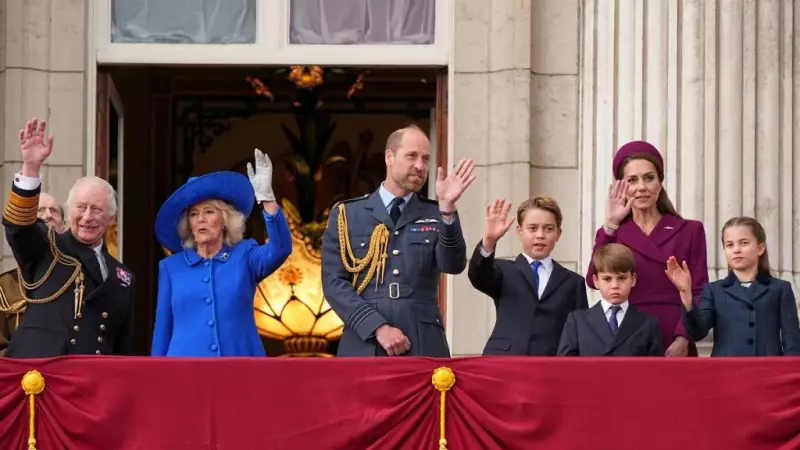
The funds are designated to cover the full spectrum of costs for the senior working royals. This includes their public duties, private lives, and charitable work, as well as the expenses related to their three children: Prince George, 12, Princess Charlotte, 10, and Prince Louis, 7.

A Historic Estate Supporting the Heir
Prince William inherited the title of Duke of Cornwall and control of the estate automatically when his father, Charles, became King following the death of Queen Elizabeth II in September 2022. The Duchy was established in 1337 by King Edward III with the express purpose of providing an independent income for the heir to the throne.
Today, the portfolio is a colossal commercial enterprise. It spans roughly 130,000 acres of land across 23 counties in England and includes a diverse array of assets such as:
- Residential and commercial property rentals
- Agricultural land and farms
- Forests and natural landscapes
- Coastline and even the Oval cricket ground in London
The estate is now estimated to be worth more than $1.5 billion, though it is held in trust for future heirs and cannot be sold by the Duke.
Funding a Royal Life and Legacy
It is important to note that as a working royal, Prince William does not receive a traditional salary or payment from the public purse (the Sovereign Grant) for his official duties. The Duchy of Cornwall income effectively funds his role. This model ensures the heir's financial independence while reducing the burden on state funds.
The report underscores the scale of resources required to maintain the public and private obligations of a future monarch. The funds cover office costs, staff salaries, travel for official engagements, and the upkeep of the family's private residences.
Looking further ahead, the line of succession is already mapped onto the Duchy's future. When Prince William eventually ascends to the throne, the estate will pass to his eldest son, Prince George, continuing a nearly 700-year-old tradition of funding the monarchy's heir apparent.