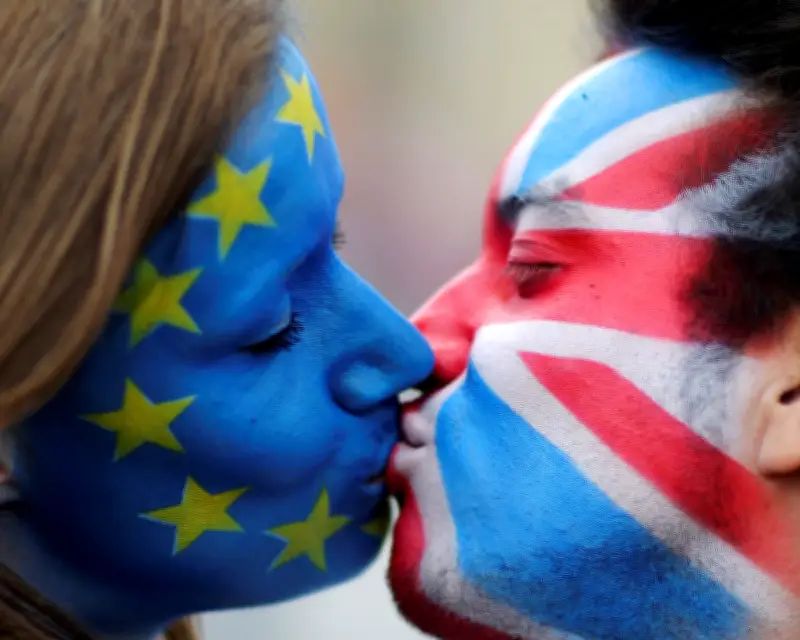
Ten years after the UK voted to leave the European Union, the shadow of Brexit still looms large over Britain's political and economic landscape. The referendum, held on June 23, 2016, resulted in a 52% to 48% vote to leave, a decision that has since defined a decade of political turmoil and economic challenges.
The Immediate Aftermath
The vote triggered the resignation of Prime Minister David Cameron and ushered in a period of intense political instability. Theresa May took over, struggling to negotiate a withdrawal agreement that could pass Parliament. Her deal was rejected three times, leading to her resignation in 2019. Boris Johnson succeeded her, promising to "get Brexit done."
Johnson's deal eventually passed, and the UK formally left the EU on January 31, 2020. However, the transition period ended on December 31, 2020, with a trade deal that left many issues unresolved, particularly regarding Northern Ireland and fisheries.

Economic Consequences
The economic impact of Brexit has been significant. According to the Office for Budget Responsibility, Brexit is expected to reduce UK productivity by 4% in the long term compared to remaining in the EU. Trade barriers have emerged, with new customs checks and regulatory divergence increasing costs for businesses. The Bank of England estimated that business investment has been about 20% lower than it would have been without Brexit.
Small businesses, in particular, have struggled with the new paperwork and costs. A 2023 survey by the Federation of Small Businesses found that 57% of exporters reported a negative impact from Brexit. The hospitality and farming sectors have faced labor shortages due to the end of free movement, leading to higher wages and prices.
Political Fallout
Brexit has reshaped the political landscape. The Conservative Party, once the party of business and stability, has become more populist and divided. The Labour Party, under Jeremy Corbyn and later Keir Starmer, has struggled to find a coherent position. The rise of Nigel Farage's Reform UK party has further fragmented the right-wing vote.
The issue of Northern Ireland remains a flashpoint. The Northern Ireland Protocol, designed to avoid a hard border with Ireland, has created trade barriers between Great Britain and Northern Ireland, angering unionists and destabilizing the power-sharing government in Belfast.
Public Opinion
Public opinion on Brexit has shifted. A 2024 YouGov poll found that 55% of Britons now think leaving the EU was a mistake, compared to 34% who think it was right. The sentiment is particularly strong among younger voters, who overwhelmingly favor rejoining the EU. However, the political will to reverse Brexit is weak, as both major parties fear reopening the divisive debate.
According to Professor Anand Menon of UK in a Changing Europe, "The debate has moved on from whether Brexit was right or wrong to how to make it work. But there is no consensus on what 'making it work' means."
Looking Ahead
As the UK marks the tenth anniversary of the referendum, the path forward remains uncertain. The government is pursuing a policy of "Brexit freedoms," aiming to diverge from EU regulations to boost competitiveness. However, critics argue that this approach risks further isolation and economic damage.
The Labour Party, currently leading in the polls, has promised to "make Brexit work" by improving the trade deal with the EU, but has ruled out rejoining the single market or customs union. The Liberal Democrats and the Greens advocate for rejoining, but they remain minor parties.
In the words of former Prime Minister Tony Blair, "Brexit was a decision that reflected a deep sense of discontent, but the solutions to that discontent do not lie in isolation. The challenge for Britain is to find a new place in the world that balances sovereignty with cooperation."