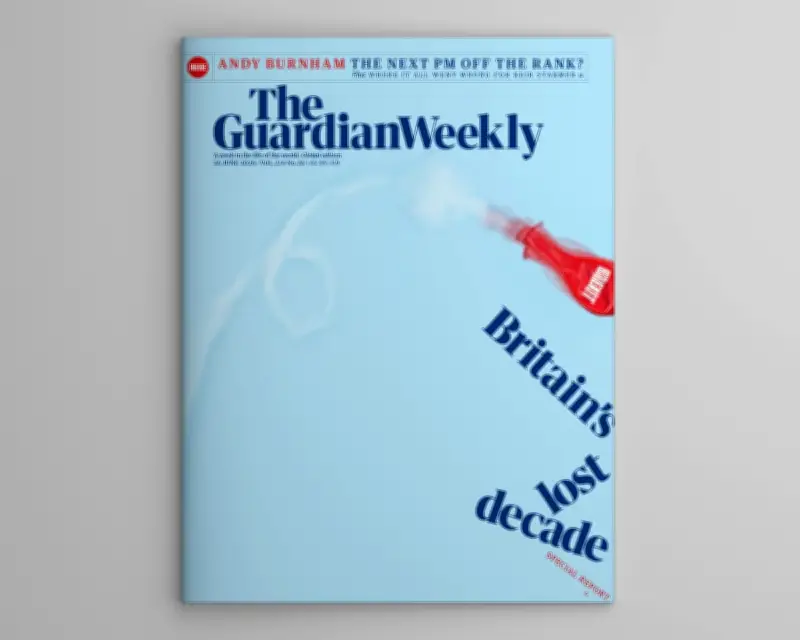
Britain's Post-Brexit Economic Stagnation
A comprehensive analysis published in the 26 June edition reveals that Britain has experienced a 'lost decade' of economic growth following its departure from the European Union. The report, based on data from the Office for Budget Responsibility (OBR), indicates that GDP is now 5% lower than it would have been had the UK remained in the bloc.
Key Findings and Impact
The analysis highlights that Brexit has led to reduced trade, lower investment, and weaker productivity growth. According to the OBR, the long-term impact on productivity is expected to be around 4%. The report also notes that the UK's departure from the EU has resulted in higher costs for businesses and consumers, with inflation remaining elevated.
"The evidence is clear: Brexit has imposed a significant and persistent cost on the UK economy," said Professor Jonathan Portes of King's College London. "The lost output is a direct consequence of the new barriers to trade and migration."

Sectoral and Regional Disparities
The effects have been uneven across sectors and regions. Manufacturing and financial services have been particularly hard hit, while London has fared better than the north of England. The report estimates that the UK's trade intensity has fallen by 10% since the 2016 referendum.
Small businesses have borne the brunt of new customs checks and regulatory divergence. "We've seen a 20% drop in exports to the EU since the Trade and Cooperation Agreement came into force," said a spokesperson for the Federation of Small Businesses.
Policy Implications and Future Outlook
Economists argue that reversing these trends will require significant policy intervention, including closer alignment with EU regulations and increased public investment. The Bank of England has warned that the UK's potential growth rate has fallen to around 1.5%, down from 2% pre-Brexit.
The analysis concludes that without substantial changes, the UK's economic underperformance relative to its peers is likely to persist. "We are looking at a lost decade, and possibly more," said Professor Portes. "The costs of Brexit are ongoing and structural."