A bold plan to establish a commercial space launch facility on Queensland's Cape York Peninsula has encountered significant early turbulence, casting doubt on its proposed timeline and highlighting the complex challenges of developing such projects on Indigenous land.
Project Ambitions Meet On-Ground Realities
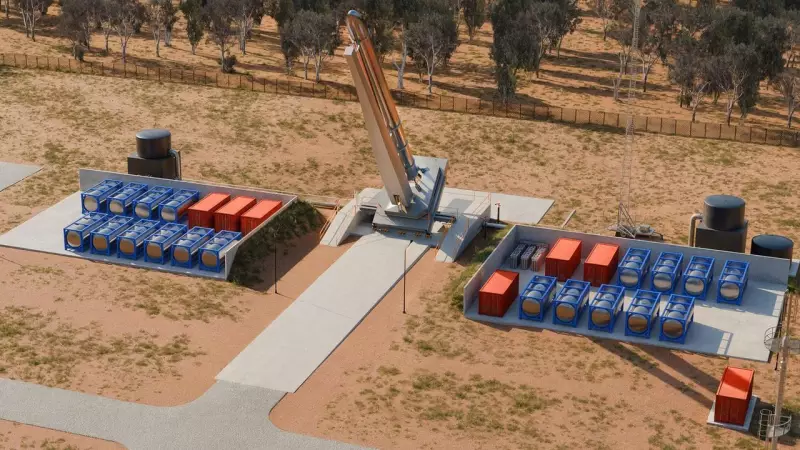
The project, spearheaded by Canberra-based satellite company Skykraft, aims to develop the Walbunja National Park site, approximately 40 kilometres north of Weipa, into a operational spaceport. The vision includes launching small satellites into low-Earth orbit, capitalising on the region's advantageous equatorial position.
However, the initial optimism surrounding the project has been tempered by a series of practical and cultural obstacles. A key issue is the unresolved negotiation with the area's traditional owners, the Wuthathi, Kuuku Ya'u and Northern Kaanju peoples. While the proponents have engaged in discussions, no formal land use agreement has been reached, a critical step for any development to proceed on Aboriginal freehold land.

Furthermore, the financial foundation of the venture appears shaky. The project has not yet secured the necessary capital investment to move beyond the conceptual stage. This funding shortfall directly impacts the project's ability to conduct essential environmental and technical studies, let alone begin construction.
Community and Government Response
Local leaders have expressed a mixture of cautious hope and deep-seated concern. Weipa Town Authority chairman Tony Martens acknowledged the potential economic benefits for the region, including job creation and infrastructure development. However, he stressed that any progress is entirely dependent on the project securing its funding and successfully navigating the agreement process with traditional owners.
The response from the Queensland government has been measured. A spokesperson indicated that while the state is generally supportive of growing the space industry, the specific proposal for the Walbunja site has not yet been submitted for formal assessment. This underscores the project's very early, and somewhat premature, stage of development despite public announcements.
A Rocky Path to Launch
The current situation presents a classic case of ambitious vision clashing with on-the-ground realities. The proposed Cape York spaceport faces a multi-faceted challenge:
- Cultural Consent: Gaining free, prior, and informed consent from multiple Traditional Owner groups is a non-negotiable and complex process that cannot be rushed.
- Financial Viability: Without committed investors or government grants, the project lacks the fuel to proceed to the next phase.
- Regulatory Hurdles: Even with funding and agreements, the project would need to pass rigorous state and federal environmental and safety approvals.
For now, the dream of rockets launching from Cape York remains firmly grounded. The project's success hinges on its ability to respectfully and transparently partner with First Nations peoples, secure substantial investment, and meticulously plan for the unique environmental and logistical demands of a launch facility. The coming months will be crucial in determining whether this venture can transition from a headline-grabbing concept to a viable reality for Far North Queensland.