Israeli Missile Strike Targets Reporter in Gaza Conflict Zone
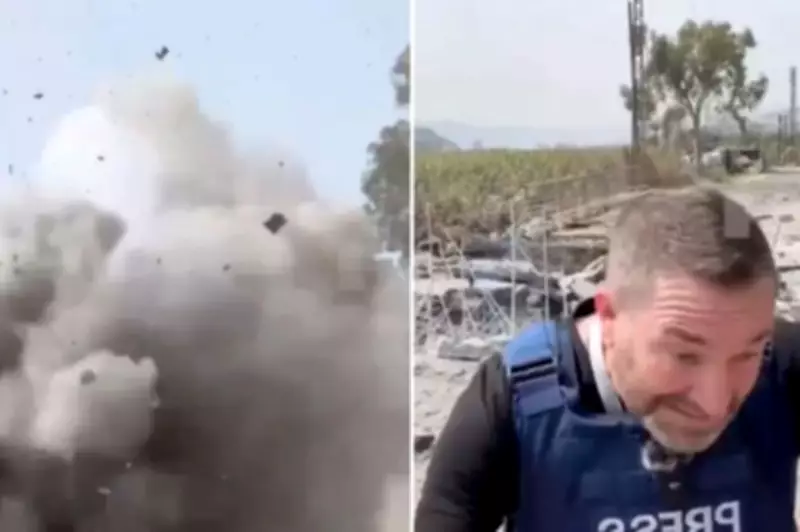
In a concerning development in the ongoing Middle East conflict, an Israeli missile strike has reportedly targeted a journalist operating within the Gaza Strip. This incident has sparked immediate international alarm over the safety of media personnel in war-torn regions and the broader implications for press freedom during armed hostilities.
Details of the Attack on Media Personnel
The strike occurred earlier today, with initial reports indicating that the reporter was actively covering the escalating violence between Israeli forces and militant groups in Gaza. While specific details about the journalist's identity and condition remain under verification, sources confirm that the missile was launched by the Israeli military as part of its operations in the area. This event underscores the perilous environment faced by reporters who risk their lives to document conflicts, often becoming unintended casualties in the crossfire.
International Reactions and Press Safety Concerns
Global press freedom organizations and human rights advocates have swiftly condemned the attack, calling for an urgent investigation into the circumstances surrounding the strike. They emphasize that journalists play a critical role in providing unbiased coverage of conflicts, and such incidents threaten to silence vital voices and obscure the realities on the ground. The Israeli government has yet to issue an official statement, but past conflicts have seen similar accusations of targeting media infrastructure, raising questions about adherence to international laws protecting civilians and non-combatants.

Broader Context of the Gaza Conflict
This missile strike comes amid heightened tensions in the Gaza Strip, where recent weeks have witnessed a surge in violence, including rocket attacks from militant factions and retaliatory airstrikes by Israel. The conflict has resulted in significant civilian casualties and widespread destruction, exacerbating humanitarian crises in the region. The targeting of a reporter adds a new dimension to the strife, highlighting how media workers are increasingly vulnerable in modern warfare zones, where digital surveillance and precision weaponry can blur the lines between combatants and observers.
Implications for Future Conflict Reporting
As investigations into this incident proceed, experts warn that such attacks could have a chilling effect on journalism in conflict areas, potentially deterring reporters from covering critical stories. This could lead to information gaps and reduced accountability for all parties involved. Stakeholders are urging for enhanced protections for journalists under international humanitarian law, including clearer protocols to distinguish press personnel from military targets. The outcome of this case may set a precedent for how similar situations are handled in future conflicts across the Middle East and beyond.