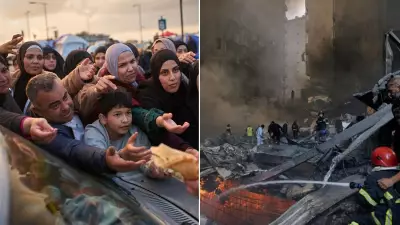
Iran Confronts Critical Ceasefire Deadline Amid Heightened Regional Tensions
Iran is currently facing a pivotal moment as a significant ceasefire deadline approaches, with global attention focused on its compliance and the broader implications for regional stability. This deadline, set by international mediators, marks a crucial test for Iran's commitment to de-escalation efforts in a volatile geopolitical landscape.
Background and Context of the Ceasefire Agreement
The ceasefire agreement was established following intense diplomatic negotiations aimed at reducing hostilities in the region. Key stakeholders, including major world powers and neighboring countries, have been involved in brokering this temporary truce. The deadline serves as a benchmark for assessing Iran's adherence to the terms, which include halting certain military activities and facilitating humanitarian access.
Observers note that the situation remains fragile, with reports of sporadic violations and ongoing tensions in surrounding areas. The international community has emphasized the importance of this deadline in preventing further escalation and fostering a path toward lasting peace.

Regional Implications and Global Response
The ceasefire deadline has significant ramifications for regional security dynamics. Countries in the Middle East are closely monitoring developments, as any breach could trigger renewed conflicts and destabilize already tense borders. Diplomatic channels are actively engaged, with envoys working to ensure all parties uphold their commitments.
Global leaders have issued statements urging Iran to meet the deadline, highlighting the potential consequences of non-compliance, such as renewed sanctions or increased international isolation. The United Nations and other multilateral organizations are playing a supervisory role, providing updates on compliance and facilitating dialogue.
Challenges and Future Prospects
Despite the ceasefire efforts, challenges persist, including deep-seated mistrust among involved parties and competing geopolitical interests. Analysts suggest that meeting the deadline could pave the way for extended negotiations and confidence-building measures, while failure might lead to a rapid deterioration of the situation.
Looking ahead, the focus will be on whether Iran can demonstrate tangible progress by the deadline, such as reducing troop movements or allowing independent monitoring. The outcome will likely influence future diplomatic initiatives and regional alliances, shaping the trajectory of peace efforts in the coming months.
In summary, the approaching ceasefire deadline represents a critical juncture for Iran and the wider region, with high stakes for international peace and security. As the deadline nears, all eyes are on Tehran's actions and the collective response from the global community.