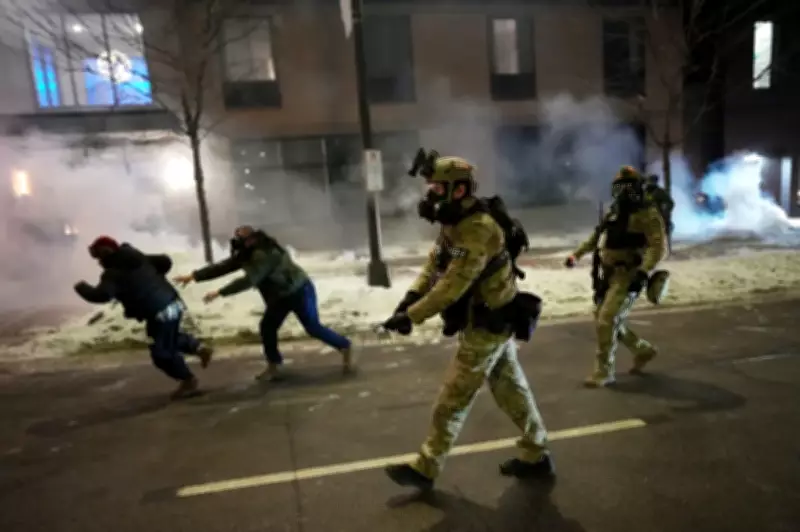
The United States government has executed a substantial withdrawal of immigration enforcement personnel from the state of Minnesota, removing a total of 700 agents from their posts. This move represents a notable shift in federal immigration policy and operational strategy within the region, potentially altering the landscape of immigration enforcement and community interactions.
Details of the Withdrawal
The withdrawal involves 700 immigration agents who were previously stationed in Minnesota, tasked with enforcing federal immigration laws. This action is part of a broader reassessment or realignment of resources by U.S. immigration authorities, though specific reasons for the pullback have not been fully disclosed. The scale of this withdrawal is significant, indicating a major change in how immigration enforcement is prioritized and conducted in the state.
Implications for Minnesota
Minnesota, known for its diverse communities and active immigration debates, may experience various effects from this withdrawal. With fewer agents on the ground, there could be a reduction in immigration-related operations, such as arrests and deportations, potentially easing tensions in some communities. However, it might also lead to concerns about enforcement gaps or shifts in federal focus to other regions or priorities.

Broader Context and Reactions
This development occurs amid ongoing national discussions about immigration reform and enforcement strategies in the United States. Stakeholders, including local governments, advocacy groups, and residents, are likely to monitor the situation closely, assessing impacts on public safety, community trust, and immigration policy effectiveness. The withdrawal could signal a move towards more targeted or resource-efficient approaches in federal immigration efforts.
As the situation evolves, further details may emerge regarding the rationale behind this decision and its long-term consequences for Minnesota and U.S. immigration policy as a whole.