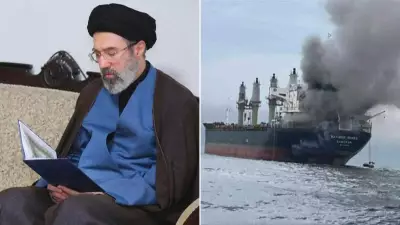
Andrew Miller: Humans as Efficient Killing Machines Need More Peace Voices
In a compelling opinion piece, Andrew Miller highlights humanity's paradoxical nature as both creators and destroyers, urging a greater emphasis on peace advocacy in today's world. He argues that while humans have achieved remarkable technological and social progress, they have also perfected the art of conflict, acting as what he terms "efficient killing machines." This duality, according to Miller, necessitates a stronger and more vocal movement for peace to counteract our destructive tendencies.
The Paradox of Human Efficiency
Miller delves into the historical and contemporary evidence of human efficiency in warfare and violence. He points out that from ancient battles to modern conflicts, humans have consistently developed more sophisticated methods of inflicting harm, often outpacing efforts for diplomacy and reconciliation. This efficiency, he suggests, is not just a matter of technology but also of societal structures and psychological predispositions that can fuel aggression.
The need for amplified peace voices becomes critical in this context. Miller emphasizes that while voices for peace exist, they are often drowned out by the noise of conflict, nationalism, and economic interests. He calls for a concerted effort to elevate these voices through media, education, and grassroots activism, ensuring that messages of harmony and cooperation reach a wider audience.

Challenges and Opportunities for Peace Advocacy
Miller acknowledges the challenges facing peace advocates, including political polarization, resource constraints, and the pervasive influence of militaristic narratives. However, he remains optimistic, citing examples of successful peace movements and the growing global awareness of issues like climate change and human rights, which can serve as unifying forces.
- Education and awareness: Integrating peace studies into curricula to foster empathy and critical thinking from a young age.
- Media representation: Encouraging balanced reporting that highlights peace efforts alongside conflict coverage.
- Community engagement: Supporting local initiatives that promote dialogue and understanding across divides.
He argues that by leveraging these opportunities, society can shift its focus from destruction to creation, ultimately reducing the prevalence of violence and enhancing global stability.
Conclusion: A Call to Action
In conclusion, Andrew Miller's piece serves as a stark reminder of humanity's capacity for both good and evil. He urges individuals, organizations, and governments to prioritize peace advocacy, recognizing that our efficiency as "killing machines" must be balanced with an equally powerful commitment to harmony. By hearing and amplifying more voices for peace, we can hope to build a future where cooperation triumphs over conflict, and human potential is directed toward positive ends.