IMF Issues Dire Warning on Global Economy Amid Iran War Disruptions
The International Monetary Fund (IMF) has issued a stark warning in its latest economic outlook, cautioning that the global economy could come dangerously close to a recession if disruptions to oil and energy markets persist into next year. According to the IMF, a short-lived Iran War is projected to result in global growth of 3.1 percent this year, accompanied by headline inflation of 4.1 percent. However, under a worst-case scenario, the organization predicts global growth could plummet to just two percent, with headline inflation nearing six percent.
Unprecedented Energy Crisis Feared
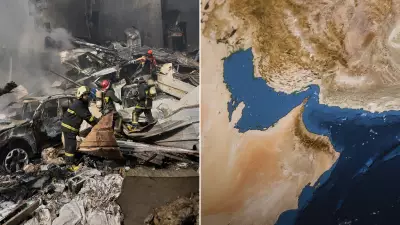
Pierre-Olivier Gourinchas, the IMF's Chief Economist, highlighted the severe risks posed by the conflict. He stated that the closure of the Strait of Hormuz and significant damage to critical production facilities could trigger an energy crisis on an unprecedented scale. Gourinchas emphasized that the duration and scale of the conflict, along with the time required for energy production and transit to normalize after hostilities cease, will ultimately determine the magnitude of the shock to the global economy.
Treasurer Chalmers Takes Action in Washington
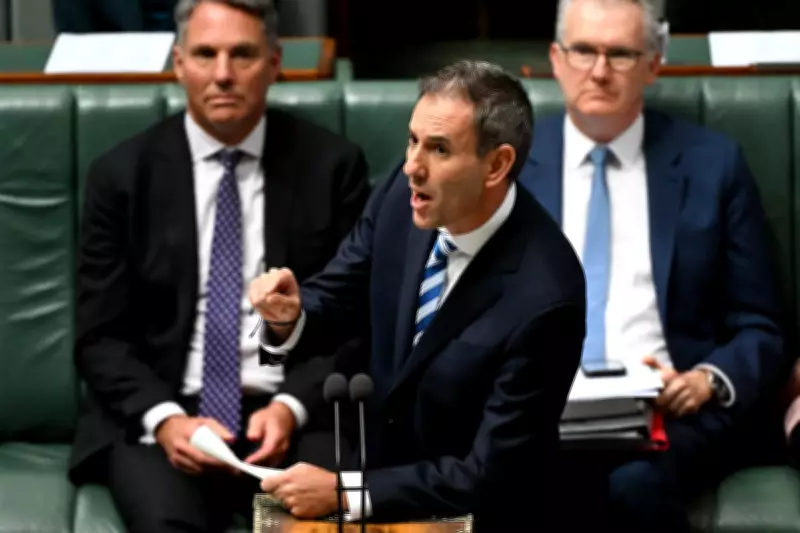
In response to these threats, Australia's Treasurer, Jim Chalmers, is heading to Washington D.C. for high-level discussions. His agenda includes meetings with G20 Finance Ministers and attendance at the Central Bank Governors' Meeting. With a tight schedule of less than 24 hours on the ground, Chalmers outlined his key priorities:
- Applying pressure on the Trump Administration to end the war.
- Securing stable fuel supplies for Australia.
- Strengthening global supply chains.
- Calibrating budget forecasts to address economic uncertainties.
- Promoting Australia as a prime investment destination.

Chalmers described these engagements as occurring at a dangerous time for the global economy. He reiterated Australia's calls for an enduring ceasefire, an end to the Middle East conflict, and the proper reopening of the Strait of Hormuz, stressing that these actions are urgently needed to stabilize the global economic landscape.
IMF Cautions Against Fiscal Stimulus
The IMF also issued a cautionary note to governments worldwide, advising against embarking on spending sprees under the guise of cost-of-living relief. Such measures, the Fund warned, could exacerbate existing inflation and interest rate challenges. While acknowledging that fiscal measures are popular, the IMF advocated for any relief to be targeted and temporary. Gourinchas explained that avoiding fiscal stimulus during periods of rising inflation is crucial to not complicate the efforts of central banks. He emphasized that preserving price signals is key, as they convey critical market information about scarcity and the need to adjust demand and supply.
Australian Government's Response and Opposition Criticism
The Albanese Government has already initiated cost-of-living relief measures, including a decision to halve the fuel excise for three months, a move estimated to cost the budget $2.5 billion in lost revenue. Treasurer Chalmers acknowledged that the costs and consequences of the Middle East conflict will be felt for an extended period, both in Australia and globally. He noted that while Australians did not choose the circumstances of this war, they are bearing a hefty price, particularly at the petrol pump. The government's actions aim to address the global fuel challenge by holding petrol companies accountable, securing additional fuel supplies, and engaging in international diplomacy.
However, the Opposition has criticized the government's economic management, arguing that the economy was left in a weakened state even before the Iran War began. Key economic indicators highlight the challenges:
- Federal government debt is approaching $1 trillion.
- The official cash rate stands at 4.10 percent, following two increases in 2026.
- Headline inflation has surged to 3.7 percent as of the latest February figures.

Shadow Transport Minister Bridget McKenzie called for stricter control over government spending, stating that the upcoming budget presents a critical test for the Treasurer. She urged him to make tough decisions to safeguard the economy from the worst impacts of the global crisis.