Australia is ramping up calls for a diplomatic end to the conflict in the Middle East as fears grow that a return to all-out war could further drive up the cost of living and damage the global economy.
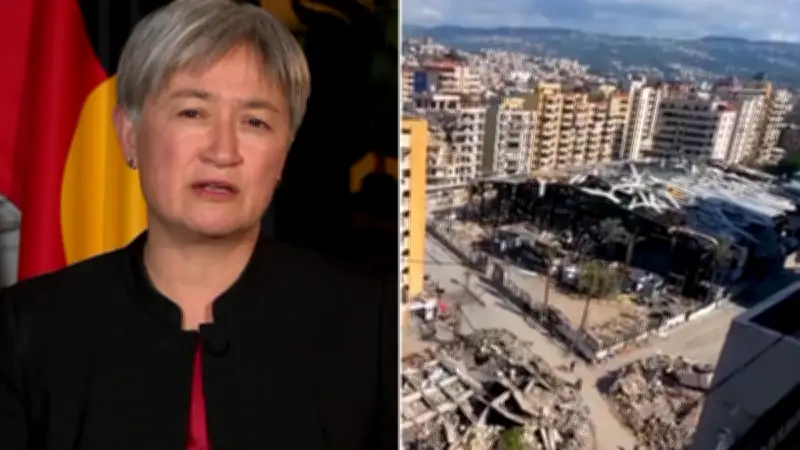
Foreign Minister Penny Wong told Sunrise on Thursday Australia is continuing to push for a negotiated settlement, warning the conflict is already being felt by households through higher fuel prices and broader cost-of-living pressures.
Speaking from London, where she is attending high-level talks with key European and British counterparts as part of the Albanese Government's diplomatic and defence engagement program, Senator Wong said Australia had been working closely with allies to support efforts to bring the fighting to an end.

“We want a negotiated solution. We want a negotiated end to the conflict. That's what we've called for; that's what we're pressing for,” Wong said.
“In our engagement here today with the United Kingdom, also with France yesterday and Germany the day before, all of us spoke about the importance of doing everything we could to support this conflict coming to an end.”
Her comments come as US President Donald Trump threatened further action against Iran, warning Tehran would “pay the price” if negotiations drag on.
The warning followed fresh US strikes that Washington described as a “proportional response to unjustified Iranian aggression” after an American helicopter was downed near the Strait of Hormuz.
Wong said the consequences of the conflict were already extending well beyond the region.
“It's hitting Australians hard,” she said.
“We want to see an end to this.”
Prime Minister Anthony Albanese yesterday voiced concern about the prospect of renewed escalation, saying he is “very worried” about fresh US military action and the broader economic consequences of continued instability.
“We're very worried both about the human impact, of course that comes with war, but also the economic impact that is having a massive impact on the global economy will get worse rather than better,” Albanese told the ABC.
The prime minister said uncertainty surrounding ceasefires, peace negotiations, and military action was creating significant challenges for financial markets.
“That's creating a great degree of difficulty as well when economic markets respond to these new statements that are made in the United States and other places as well,” he said.