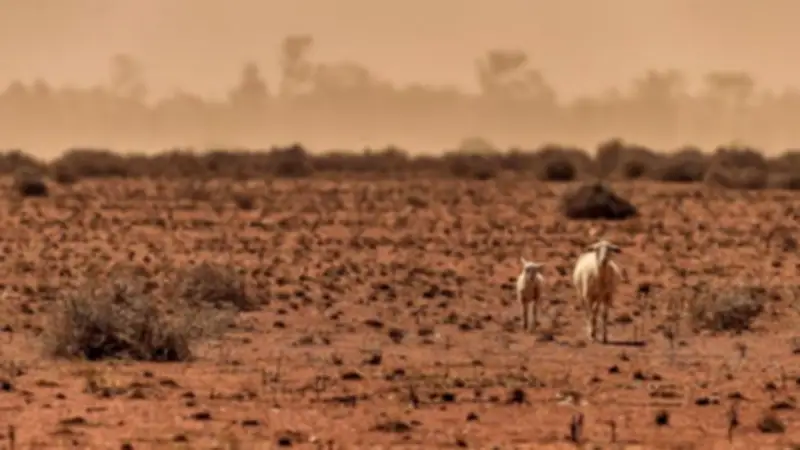
Australia faces a heightened risk of drought, water shortages, and a dangerous fire season as a strong to very strong El Niño event is expected this year. Forecasters predict the climate driver will strengthen into spring, tilting odds toward a hotter, drier winter and spring across southern and eastern Australia.
Uncertainty Poses a Challenge for Decision-Makers
The size of the event is not set in stone, posing a challenge for authorities, farmers, and land managers. Waiting risks being unprepared, while acting early may lead to wasted efforts. Prescribed burn windows, water allocation deadlines, and crop sowing decisions all need to happen before the forecast solidifies. Experts recommend staging interventions, starting with low-cost, low-regret actions and preparing contingency plans.
Why Authorities Are Worried
El Niño is expected to keep strengthening into spring, but a strong event does not always mean worse conditions in Australia. The very strong 1997–98 El Niño resulted in near-average rainfall in most of Australia, while the far weaker 2002–03 event helped produce the severe Millennium Drought. The Indian Ocean Dipole (IOD) can either intensify or weaken El Niño’s effect. It is not yet clear which way it will go, though models suggest it may switch from neutral to positive into spring. If it does, the chances of dangerous drying increase substantially.

Over 2018 and 2019, these two climate drivers overlapped, causing intense drying ahead of the Black Summer bushfires. In 2023, they overlapped again, producing Australia’s driest three-month stretch on record. We should know if they will overlap this year by late July or August.
From Reacting to Acting
It makes sense to lay out stages of action and do more as necessary, rather than waiting for certainty. State government drought responses are largely structured like this. But federal leaders have consistently relied on ad-hoc spending as droughts worsen rather than building resilience early, leading to worse outcomes for rural communities and a higher cost. Similar criticism has been made of our bushfire response. A recent independent review found only 7% of federal disaster funds went to reduce risk and boost preparedness before the disaster.
Stage 1: Low Regrets
Some actions can be taken without regret because they cost little and build resilience. These include:
- Properly funding volunteer firefighter training and accreditation at state level. Volunteer firefighters do much of Australia’s firefighting but the sector is chronically underfunded.
- Creating a national drought early warning system.
- Lifting legal barriers that prevent Traditional Owners practising cultural burning at scale. Cultural burning could match existing fuel reduction with far less ecological cost.
- Building the national register of firefighting personnel, equipment and aerial assets the Bushfire Royal Commission recommended back in 2020. It is still not in place.
- Expanding existing advice services for farmers, such as financial counselling and on-farm advice for sowing decisions and livestock feed planning.
Stage 2: Getting Ready
If a positive IOD is confirmed, authorities should focus on actions too specific or too costly to justify now, but too important to improvise mid-crisis. These could include:

- Boosting staffing and readiness for agencies responsible for drought and bushfire response.
- Tying drought relief to observed conditions so support reaches farmers in weeks rather than months.
- Boosting federal support for rural mental health early. At present, these measures require assessment after the disaster and sign-off from the prime minister.
- Confirming aerial firefighting capacity, cross-state emergency communications and potential defence force deployment in advance. This would avoid repeating Black Summer’s reactive scramble when more than 60 firefighting aircraft had to be sourced from overseas mid-crisis, incompatible radio systems left crews from different states unable to communicate directly, and defence force deployment only came after weeks of public pressure.
- Providing hospitals with access to better air-quality forecasts ahead of fire season, to allow preparation for surges in respiratory illness.
- Establishing and resourcing more community-led networks such as the Red Cross’s Community-led Resilience Teams. These networks have proven critical to effective disaster response and recovery but are often left out of formal emergency management planning.
During and After Disaster
Preparation ahead of time means authorities are not building capacity under pressure but simply trigger what is already in place. States use their incident control structures to coordinate police, fire, ambulance and the defence force under one chain of command. Declaring a state of emergency unlocks legal powers and funding pathways agreed well in advance. Evacuation orders go out through tested and proven public warning systems.
The same logic carries into recovery. Rapid damage assessment teams establish what is needed where, feeding into the first wave of financial support — one-off emergency payments and short-term income assistance for people who have lost homes, livelihoods or income. Recovery centres open as a single point of contact, so affected residents can access grants, counselling, insurance guidance and practical help in one place.
Failing to Plan is Planning to Fail
An unprepared, improvised response does not fail everyone equally – it punishes those with less capacity to compensate. A wealthy irrigator with secure water entitlements can weather a bad season better than a farmer reliant on the volatile temporary water market. Similarly, First Nations communities repeatedly report being left out of disaster planning and facing unwelcoming treatment during a disaster response.
Australians are no strangers to natural disasters. What we have failed to do consistently is plan staged responses and begin as soon as a large event seems probable, rather than waiting for absolute certainty.