Sea level rise is accelerating erosion at Jamestown, Virginia, the site of the first permanent English settlement in America, threatening historic structures and artifacts, according to a new report from the National Park Service.
Accelerating Erosion Rates
The report, released on July 2, 2026, indicates that the shoreline at Jamestown is eroding at an average rate of 1.5 feet per year, a significant increase from the historical average of 0.5 feet per year. This acceleration is attributed to rising sea levels and increased storm intensity linked to climate change.
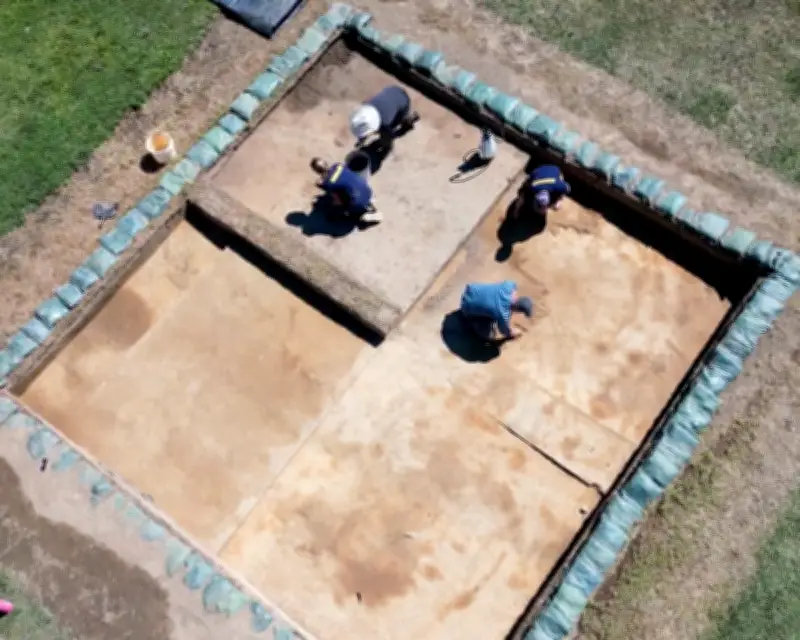
Jamestown Island, located in the James River, has lost approximately 10 acres of land since 2000, with the rate of loss doubling in the last decade. The erosion threatens the Jamestown Church, the 17th-century fort, and numerous unexcavated archaeological sites.

Threat to Historic Structures
The most immediate concern is the erosion near the Jamestown Church tower, one of the oldest surviving English-built structures in the United States. The church tower now sits just 20 feet from the eroding bluff, down from 50 feet in 2010. Without intervention, experts predict the tower could be lost within 15 years.
According to Dr. Emily Carter, an archaeologist with the Jamestown Rediscovery Foundation, “The situation is critical. We are in a race against time to preserve these irreplaceable artifacts and structures. The accelerated erosion is unlike anything we have seen in the past 30 years of monitoring.”
Economic and Cultural Impact
Jamestown attracts over 500,000 visitors annually, contributing an estimated $40 million to the local economy. The potential loss of historic structures could significantly impact tourism and local businesses. The National Park Service estimates that protecting the shoreline would cost between $20 million and $50 million.
Local officials are exploring options such as building seawalls, replenishing sand, and relocating structures. However, these measures are temporary, and long-term solutions require addressing the root cause: climate change. Virginia Governor John Smith stated, “We are committed to preserving Jamestown for future generations. This requires both immediate action and a broader strategy to combat sea level rise.”
Broader Context of Sea Level Rise
The situation at Jamestown reflects a global trend. Sea levels along the U.S. East Coast have risen 8 inches since 1950, and the rate is accelerating. The National Oceanic and Atmospheric Administration (NOAA) projects a further rise of 1 to 2 feet by 2050, even under moderate emissions scenarios.
In Virginia alone, sea level rise threatens historic sites like Colonial Williamsburg and the Naval Station Norfolk, the world’s largest naval base. The state has established a Coastal Resilience Master Plan, but funding remains a challenge.
Community and Expert Responses
Local residents and preservationists have formed the Save Jamestown Coalition, advocating for federal and state funding. The coalition’s spokesperson, Mary Johnson, said, “Jamestown is not just a local landmark; it is a symbol of American history. We cannot let it slip into the river.”
Scientists emphasize that while protective measures can buy time, they are not a permanent fix. Dr. Carter added, “We need to think about managed retreat for some areas and invest in green infrastructure like living shorelines that can adapt to rising waters.”
The National Park Service plans to release a detailed preservation plan later this year, including cost estimates and timelines. Meanwhile, monitoring continues, and emergency measures are being implemented to protect the most vulnerable sites.