Climate change is causing fish to move to cooler water globally, but for species in northern Australian gulfs, land barriers block their escape route south. New research from CSIRO highlights the unique challenges faced by these ecosystems.
Northern Australian seas under pressure
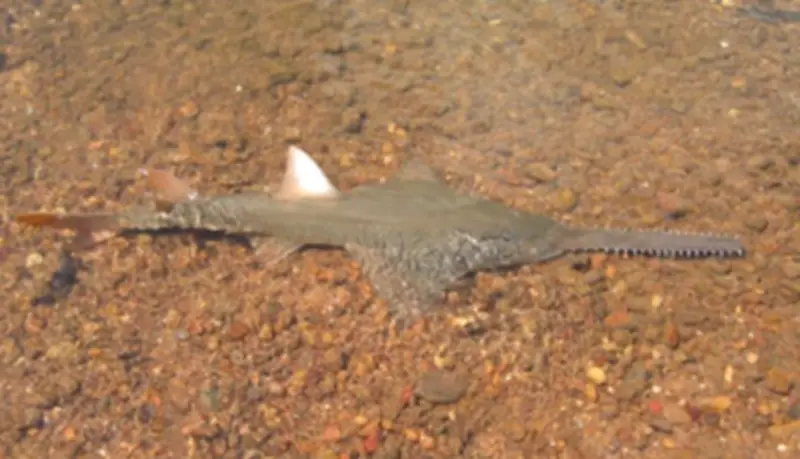
Around the world, ocean warming is driving fish polewards in search of cooler water. However, for tiny prawns, barramundi, and rare sawfish in northern Australian gulfs, the exit southwards is blocked by land. This creates a global gap in understanding how shallow tropical gulfs and bays respond to climate change.
These marine environments are vital for nature, fisheries, and coastal communities. Yet their conditions are becoming more extreme and variable due to cumulative climate change. Species are riding an environmental roller coaster, with rapid changes hindering their recovery.

Unique ecosystems of northern Australia
Our new research focuses on these unique Australian ecosystems, taking into account land barriers, the monsoonal climate, cyclone influence, and massive sea level variability. The team drew on CSIRO's 50-year history of research in northern Australia, focusing on the Gulf of Carpentaria, Joseph Bonaparte Gulf, and Torres Strait.
Northern Australia has many seagrasses and mangroves, and is a stronghold for threatened species such as sawfish, dugongs, turtles, and the snubfin dolphin. We analysed climate influences on popular fishing species like barramundi, mud crabs, and lobsters, as well as Australia's largest and most valuable prawn fishery, the Northern Prawn Fishery.
Four primary factors affecting species
Our research showed these marine systems are influenced by compounding climate events in complex ways, which can be simplified into four primary factors: extreme temperatures, exposure to dehydration, cloudiness in the water (turbidity), and hydrologic disconnection – the restriction or changes to the natural movement of water. These factors combine to bolster some populations while devastating others.
Patterns of change are largely influenced by El Niño or La Niña weather events. Species are riding more extreme climate roller coasters, with steeper and larger changes hindering their recovery.
The Goldilocks prawn
A good example is the brown tiger prawn. The original impetus for our research was to understand why present-day brown tiger prawn populations in northern Australia had not bounced back to levels seen before the turn of the century, despite reduced fishing. This region is the only place they exist.
We called them the “Goldilocks” prawns because they like ocean conditions that are just right – not too hot or too cold. Juvenile brown tiger prawns are very fussy about the kinds of seagrass they use for shelter and food.
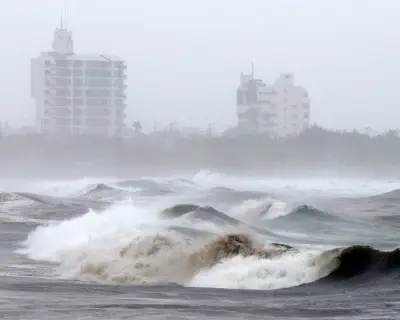
Our research found strong evidence of a major step-change in physical conditions around 1998 or 1999. Specifically, there were more La Niñas over the past two decades, higher than average freshwater flows, including from the Roper River, and increased cyclone intensity. Cyclones cause massive seagrass damage, while sediment from flooding rivers limits seagrass growth. This means reduced nursery habitat for the brown tiger prawn already under pressure from rising temperatures.
Our modelling found a sustained decrease in brown tiger prawns connected to a shift in climate patterns. By contrast, the more robust grooved tiger prawns were not similarly affected, and common and redleg banana prawns thrived in response to good river flows. Redleg banana prawns, sawfish, and mangroves are at risk during El Niño periods, when dry weather and lowered sea levels disrupt the river-ocean connections they rely on.
Why this matters
Climate change is playing out differently in northern Australia to the rest of the country. This new research will help us anticipate, prepare for, and respond to compound climate events – when multiple weather or climate conditions interact with severe environmental consequences.
For example, fisheries could switch between tiger and banana prawns depending on environmental conditions. Conservation teams could benefit from knowing in advance how extreme climate events threaten species such as the endangered largetooth sawfish.

Globally, better waterway management is needed, because taking too much water out of river systems threatens downstream ecosystems and marine livelihoods. An extreme El Niño is forecast for later this year. Our work offers insights into its potential impacts across these marine environments and helps ecosystem and fisheries managers prepare.