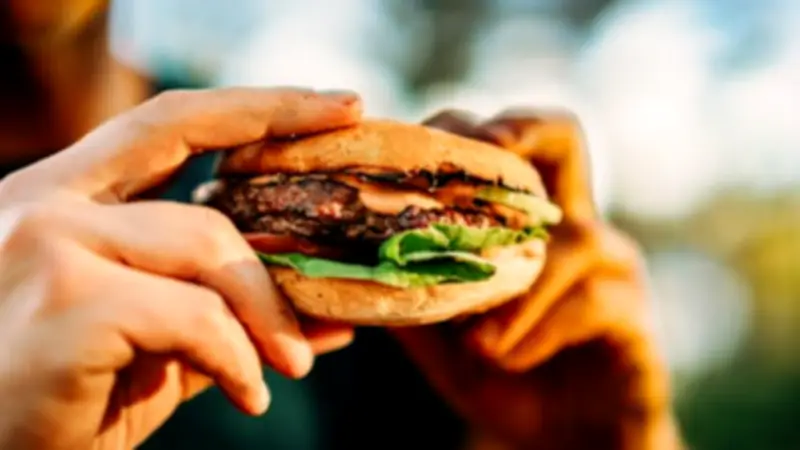
Abbestock/Getty Have we lost our appetite for meat and dairy alternatives? Published: June 16, 2026 3.51pm AEST
Our supermarket shelves are lined with meat and dairy products, ranging from cheese to milk and minced beef. The average Australian consumes more than 22 kilograms of meat and 90 kilograms of dairy each year. But over the past five years, Australians have increasingly turned to alternative proteins. Six in ten people report trying, or being interested in trying, plant-based products. That is based on evidence suggesting that eating a plant-based diet – meaning foods that don't contain animal products and are minimally processed – may have certain health and environmental benefits.
As demand for plant-based foods grew, so did the market for plant-based eateries and alternative protein products. In 2022, Australia's national science agency, the CSIRO, launched its “protein roadmap” which estimated the alternative protein market would be worth A$13 billion by 2030. However, recent trends show we may be losing our appetite for meat and dairy alternatives.

Restaurants closing and products disappearing
Over the past decade, Australia has appeared to be on the cusp of a food revolution as plant-based businesses popped up around the country. However, this trend has ground to a halt. In Sydney alone, more than ten up-market plant-based restaurants have shut up shop in the past three years. This includes Sydney's first vegan pub, The Green Lion, which now only operates as a takeaway and commercial catering business. Leading hotel chain, the Ovolo Hotels group, also closed its Sydney Alibi restaurant in 2024, winding back its pledge to promote plant-based cuisine across its eight locations.
This trend is also reflected on supermarket shelves. Plant-based products – such as the Birds Eye plant-based range – have been disappearing from the stores of supermarket giant, Woolworths. This has prompted some community backlash, in the form of public petitions and a formal letter from organisations including Vegan Australia, the Vegan Society of Aotearoa and Doctors For Nutrition. But in a statement, Woolworths cited “poor and declining” sales of plant-based products as the main reason for its decision.
Why is this happening?
Here are three possible reasons why meat and dairy alternatives are becoming less popular. First, these products seem to have lost their cultural appeal. Recent lifestyle trends such as “protein-maxxing” – which involves consuming as much protein as possible to lose weight or build muscle – may have shifted attention away from alternative proteins to diets that revolve around animal products. Research suggests identity politics may be contributing to this, particularly the perceived link between meat and masculinity. And the widespread uptake of GLP-1 weight-loss medications could also be increasing demand for high-protein foods.
Second, concerns about whether plant-based products are actually healthy may also be dampening demand. That is based on research showing not all alternative proteins are created equal, with some containing high levels of sodium and additives. Third, the meat and dairy industries are reshaping how their products are perceived, by emphasising the importance of livestock for food production and downplaying its effect on climate change. This is influencing the decisions of both consumers and policymakers, with worrying consequences for climate action.
Where to from here?
The future of alternative protein production is uncertain, to say the least. That is especially true after, in March this year, the CSIRO announced major cuts to its food science program. This signals its shift from investing in precision fermentation – which uses yeast and fungi to produce animal proteins with the same taste, texture and nutrition profiles as real meat – and other alternative protein research. This shows alternative proteins are no longer a priority for the national science agency.
The evidence is clear that Australia's livestock industries are already facing the worrying realities of climate change. So the case for transitioning away from animal proteins is stronger than ever. But without robust research and policy, we may compromise the health of our planet in pursuit of passing trends.