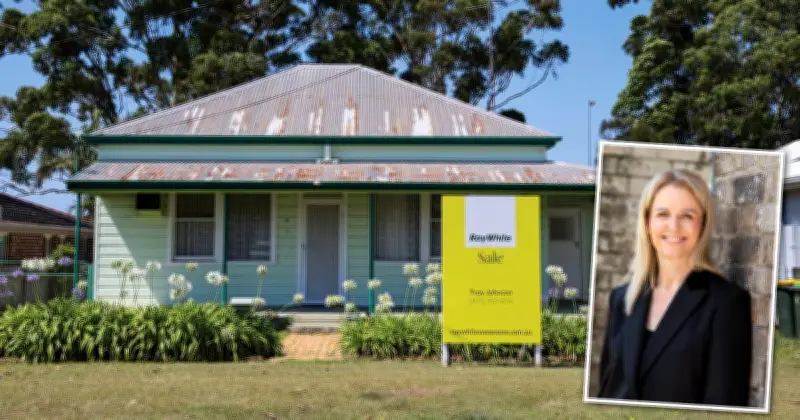
The Australian property market is undergoing a significant transformation, with a record 607,000 listings now available across the country, according to real estate expert Nerida Conisbee. This surge in supply is shifting the balance of power from sellers to buyers, marking a clear transition into a buyer's market.
Record Listings Signal Changing Dynamics
Conisbee, chief economist at real estate firm Ray White, noted that the number of properties for sale has reached levels not seen in over a decade. The increase is driven by a combination of factors, including rising interest rates, cooling demand, and a return of more typical seasonal listing patterns after pandemic disruptions.
“We are now firmly in a buyer’s market,” Conisbee said. “Buyers have more choice, more time to make decisions, and more room to negotiate on price.”

What This Means for Buyers
For prospective homebuyers, the current market conditions present a rare opportunity. With a greater inventory of homes available, buyers can afford to be selective and may find properties that were previously out of reach. Additionally, the days of frantic bidding wars and offers well above asking price are fading, replaced by more measured negotiations.
Conisbee advises buyers to take advantage of the situation by conducting thorough due diligence and not rushing into purchases. “There’s no need to panic-buy anymore. You can take your time, compare properties, and make a well-informed decision,” she said.
Impact on Sellers
On the flip side, sellers are facing a more challenging environment. Homes are taking longer to sell, and price growth has slowed significantly. In some areas, prices have even started to decline. Conisbee recommends that sellers be realistic with their pricing expectations and consider making improvements to attract buyers in a more competitive market.
“Sellers need to understand that the market has changed. Pricing a property correctly from the start is crucial to achieving a sale,” she added.
Regional Variations
The shift to a buyer’s market is not uniform across Australia. Some regions, particularly those with strong population growth and limited housing supply, remain more balanced. However, the overall trend is clear: the market is cooling after the pandemic boom.
In capital cities like Sydney and Melbourne, listings have surged, giving buyers ample choice. Meanwhile, in some regional areas, the market remains tighter, though even there, conditions are easing.
Outlook for the Market
Looking ahead, Conisbee expects the buyer’s market to persist for the foreseeable future, especially if interest rates continue to rise. However, she notes that the market could shift again if economic conditions change or if there is a significant increase in demand.
“For now, it’s a great time to buy, but sellers need to be patient and adaptable,” she concluded.