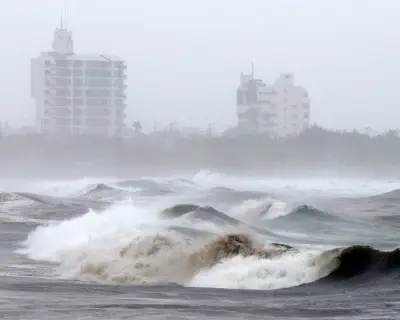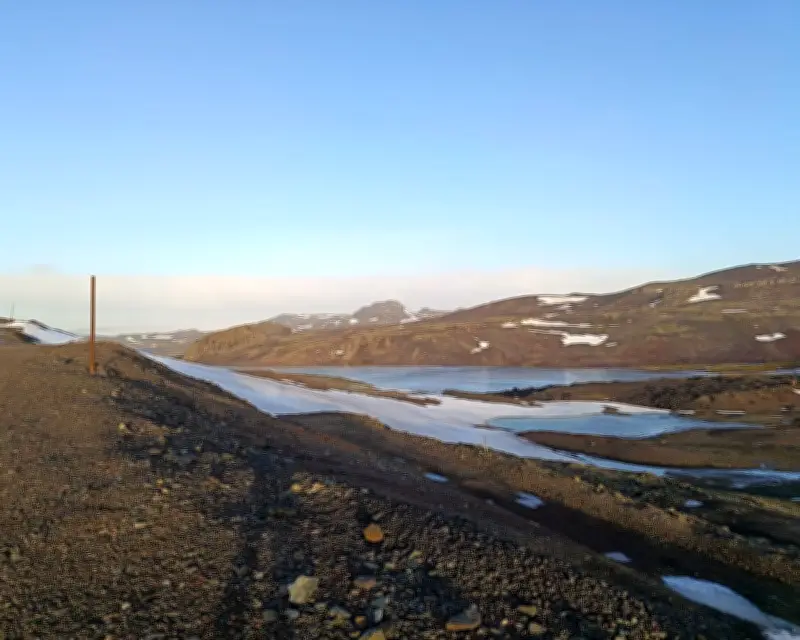
On King George Island, the landscape has transformed from predominantly white to shades of brown, grey, and green. This dramatic change follows record winter temperatures in Antarctica, which have raised serious concerns about the accelerating pace of climate breakdown.
Unprecedented Winter Heat
Temperatures in the Antarctic region soared above 15 degrees Celsius this month, shattering the previous winter heat record for the usually frozen continent. Scientists describe the event as "very strange" and worry about its implications. The new winter peak temperature was recorded at the Argentinian Esperanza base on the Trinity Peninsula on June 6, amidst a prolonged heatwave that saw maximum daily temperatures exceed zero degrees for three consecutive weeks.
According to scientists, the high of 15.4 degrees Celsius broke the previous record set at the same station in 1998 by a margin of 2 degrees Celsius. "This is absolutely crazy," said Raúl Cordero, an Ecuadorian climate professor at the University of Groningen. "It is also about 20 degrees Celsius above normal for this time of the year. That is a huge anomaly."

Warm Winds and Melting Landscapes
Unusually strong warm winds from the north swept across much of the Antarctic peninsula. One Chilean weather station, Boonen Rivera, registered temperatures close to 13 degrees Celsius, Cordero added. On King George Island, located 160 kilometers (100 miles) from Esperanza, researchers noted that the landscape had shifted from mostly white to brown, grey, and green after temperatures hit 4.6 degrees Celsius on June 6.
"Last weekend was very strange. The temperatures here went very high so everything outside melted," said Luis Muñoz, a Chilean glaciologist. "Usually there is 20 centimeters of snow and a lot of ice on the ground at this time." Muñoz and his colleague Natalia Mestre climbed to the 500-meter peak of the nearby Collins glacier last Wednesday and were surprised to find rain melting the ice. "There was a direct impact on the glacier, which should be receiving snow now. It should not be suffering ablation at this time of the year. This is obviously not good for the glacier."
Human Pressure and Long-Term Concerns
The Antarctic region is coming under increasing human pressure, both directly through resource exploration and tourism, and indirectly via the burning of fossil fuels, which is heating the planet. Scientists warn that some of the region's largest glaciers, such as Thwaites and Pine Island, are approaching—or may have already passed—a tipping point that could raise global sea levels by four meters. Antarctic ice melt has also been found to slow global ocean circulation.
Cordero noted that a single week of heatwaves, no matter how remarkable, would not by itself make a huge difference to sea levels. However, he emphasized that it signifies more alarming long-term trends. "This heatwave happened because of extremely strong westerlies," he said. "This has been happening with increasing frequency since the 1980s, and that is known to be related to climate change."