Summer heatwaves in Europe are currently drawing significant attention due to their higher mortality rates compared to floods or storms. However, winters are also warming globally, and while they are generally less deadly, they subtly disrupt human and natural systems. Aotearoa New Zealand has experienced an unusually warm start to winter this year, with record high June temperatures in the capital and warm conditions nationwide. Many people welcome the unseasonably warm weather, but milder winters have diverse impacts, particularly on plants and insects.
Extra Winter Growth, but Carbon Loss
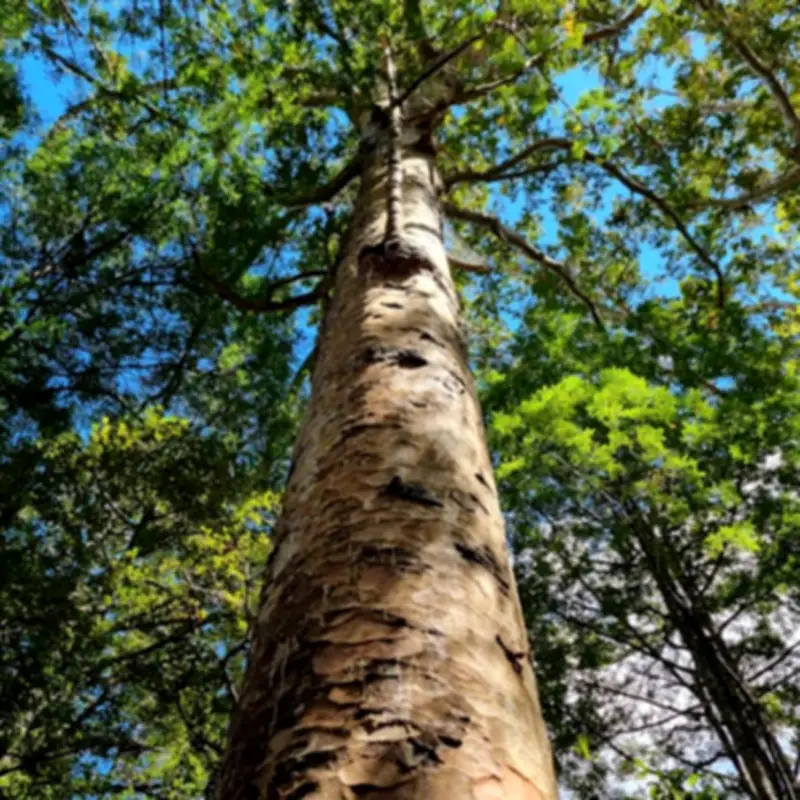
In forests, warmer temperatures can extend the growing season of trees. Typically, many trees remain dormant during winter due to cold conditions. However, ongoing measurements of kauri tree growth in Auckland indicate that trees have continued to grow throughout recent winters. One might assume a longer growing season would increase carbon uptake and storage in trees. Yet, overall carbon changes are negative because warmer temperatures also boost respiration, which releases more carbon into the atmosphere.
In Aotearoa, few plant species lose their leaves in winter. According to traditional Māori knowledge (mātauranga Māori), flowering times have shifted and fruit biomass has declined with warming in forests of the central North Island since the 1950s. This has negatively impacted the numbers, breeding rates, and health of kererū (native wood pigeons) and reduced nutrient cycling in the soil.

Risk of New Invasions
Insects are highly sensitive to winter temperatures. Like trees, many insects have a dormant period during colder months. Some insects from warmer climates have established as pests in Aotearoa but usually struggle to survive cold conditions. As winters warm, the number of species capable of surviving the cold season is increasing. For instance, in temperate climates like New Zealand, wasp colonies follow a strong seasonal cycle. Wasp numbers increase in spring after the queen emerges from overwintering and lays eggs. Workers expand the colony during summer, but when temperatures drop in autumn, most die off. However, in warmer conditions, sightings of winter-active workers have increased in Aotearoa. This suggests that a warming climate will likely lead to higher wasp numbers and greater ecological and economic impacts.
Other invertebrate pests may become more problematic in natural systems, plantation forests, and agricultural and horticultural settings as winters warm. This includes rising numbers of sheep and cattle parasites, more insect pests in plantation forests, an increased risk of Queensland fruit fly overwintering, and larger range sizes for mosquitoes, ants, and cattle ticks. Introduced plant and animal pests are also expanding higher into alpine environments.
Shrinking Alpine Refuge
New invasive plant species from subtropical regions may establish or expand their ranges and shift into the alpine zone. Similarly, the upward expansion of invasive mammals reduces the availability of refuge areas for native birds, including the endangered rock wren. Known as "thermal squeeze," the movement of rats and stoats to higher elevations reduces safe spaces for large alpine birds such as the kea, exacerbating extinction risk. The alpine zone is especially vulnerable to winter warming because its plants and animals are highly adapted to specific environmental conditions and are often poorly prepared for invasive predators or competitors.
Horticultural Winners and Losers
In the horticulture industry, cold winter nights are crucial for triggering spring flowering. Economically important fruits like apples, avocados, and kiwifruit may not flower well and could produce poor-quality fruit under future climates. Potatoes and onions are also sensitive to warming conditions because heat stress reduces tuber quality and produces smaller bulbs, leading to lower yields. Plant breeding and gene technologies offer opportunities to develop fruits and vegetables better prepared for a warmer world. There is some good news: flea infestations are predicted to decline in regions where warming is associated with drying. Additionally, there may be opportunities for establishing new crops, such as bananas.

As the climate continues to warm, more research is needed to understand impacts and adaptation options in Aotearoa. Research should focus on finding solutions for native species and primary industries, as healthy ecosystems are essential for a healthy economy and thriving communities.