Himeji Castle Leads Dual Pricing Strategy
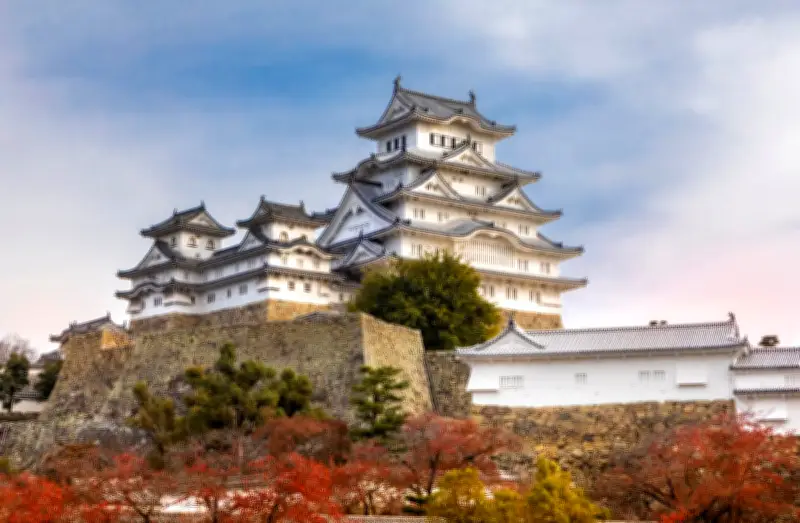
Himeji Castle, a UNESCO World Heritage site in western Japan, raised admission fees for non-residents to 2,500 yen ($15.50) on March 1, while keeping the price for Himeji city residents at 1,000 yen ($6.20). The iconic 17th-century fortress, known as "white heron castle," attracts over 1.5 million visitors annually. In the first month, admissions dropped 17%, aligning with management expectations, but ticket revenue more than doubled.
Kensuke Tsushi from the castle's management bureau explains: "It's often reported as 'dual pricing', but we see it as a flat 2,500 yen with a discount for city residents who show ID." Overseas visitors to Himeji reached 547,000 last year, up from 387,000 in 2018, and the 10-year management plan forecasts 1.2 million annually, increasing wear and tear costs.
Overtourism Concerns Drive Pricing Changes
Japan aims to increase overseas visitor numbers to 60 million by 2030, up from 42 million last year, but faces overtourism issues like congestion in Tokyo and Kyoto, littering, and anti-social behavior. Dual pricing is one strategy, with many sites charging higher fees for non-locals to avoid appearing discriminatory to foreigners. Japan also tripled the departure tax to 3,000 yen ($18.55) and raised visa fees fivefold to 15,000 yen ($93).

Kyoto, a hotspot for overtourism, is considering higher bus fares for non-residents. In Nagano, Yoko Fujihara notes that charging non-residents more for ski passes and onsen hot springs is common: "There are onsen I go to where non-residents have to pay 200 yen ($1.25) more. It makes sense as some local people don't have baths at home."
Mixed Reactions to Two-Tier Pricing
Tsushi says complaints about Himeji's system come mainly from Japanese visitors outside the city, not foreign tourists. "What we hear from Japanese visitors is: it's a national treasure, it receives national tax money, so why do only Himeji residents get the discount?" He adds that the bureau explains its reasoning to gain understanding.
Lauren Kelly, a Briton based in Bangkok, finds dual pricing "quite segregating," even though it is practiced in Thailand. "However, Thailand is a poorer country than Japan, so in a sense I think that would make it feel worse," she says. The Agency for Cultural Affairs has introduced higher admission for overseas tourists at state-run museums, and Junglia Okinawa charges 6,930 yen ($43) for Japan residents versus 8,800 yen ($54.45) for others.
Economic Impact and Future Plans
Overseas visitor spending grew 16% in 2025 to a record 9.5 trillion yen ($59 billion), while domestic tourism reached 26.8 trillion yen ($170 billion). The Japan Tourism Agency increased its budget by over 700% to 10 billion yen ($62 million) for countermeasures like AI crowd-detection cameras, booking caps, park-and-ride schemes, and smart bins. Efforts to encourage tourists beyond Tokyo, Mount Fuji, Osaka, and Kyoto continue, but challenges remain.
Two-tier pricing is common in Asia, with China, Indonesia, and Thailand charging foreigners more for food and services. Iconic sites like India's Taj Mahal and Cambodia's Angkor Wat have higher fees for overseas visitors. In Europe, Paris's Louvre raised entry for non-EEA residents by 45% to €32 ($36.40) in January. Fujihara worries about higher prices affecting Japanese but acknowledges tourism's economic benefits: "Of course, I want people to come and enjoy Japan."