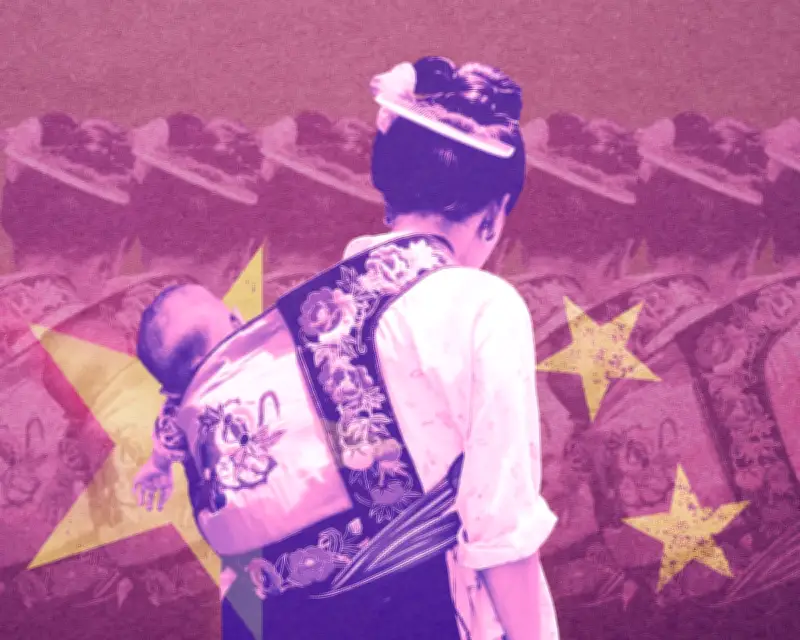
For decades, China has sought to control women's bodies through policies like the one-child rule and later the three-child policy. But now, a growing number of women are pushing back, asserting their right to make personal decisions about marriage, childbirth, and careers.
Shifting Attitudes
In major cities like Beijing and Shanghai, many educated women are delaying marriage or choosing not to have children. They cite high costs of living, demanding careers, and a desire for personal freedom. This marks a significant shift from traditional expectations that women should marry young and bear children.
Government Concerns
The government has expressed alarm over falling birth rates, which dropped to 6.39 per 1,000 people in 2023, the lowest since 1950. In response, Beijing has rolled out incentives like tax breaks and extended parental leave, but these have had limited impact.

Legal and Social Barriers
Despite changes, women still face obstacles. Divorce laws can be restrictive, and single motherhood is stigmatized. Access to reproductive health services varies, with rural women often lacking information and support.
Rising Activism
Activists and online communities are challenging these norms. Social media platforms, though censored, host discussions on body autonomy and gender equality. Some women have publicly shared stories of resisting family pressure, inspiring others.
Economic Factors
Economic independence is a key driver. More women are pursuing higher education and careers, giving them financial leverage to make independent choices. However, the gender pay gap and workplace discrimination remain issues.
Future Outlook
As China's population ages and the workforce shrinks, the government may need to adapt. Some experts argue that genuine gender equality, including shared domestic responsibilities and better childcare, could encourage higher birth rates. For now, women are increasingly charting their own paths, reshaping society in the process.