The English seaside town of Blackpool, often humorously dubbed "Las Vegas-on-Sea," might not be the first place you'd link to French impressionist painter Claude Monet. Indeed, there is no historical record of Monet ever visiting this coastal resort in England's north-west. However, Monet takes center stage at The Grundy, Blackpool's premier art space, with his 1872 oil painting The Petit Bras Of The Seine At Argenteuil, which depicts a serene winter scene along the river near Paris.
Art in an Unexpected Setting
This masterpiece is on loan from the National Gallery in London until mid-June, as part of the Masterpiece 2025-2027 tour, bringing renowned art to unexpected locations. The Grundy, housed in a heritage-listed Edwardian building, offers free admission and has previously featured exhibitions by artists like Roy Lichtenstein, Louise Bourgeois, and Tracey Emin. It stands as one of Blackpool's unsung cultural treasures, a town more commonly associated with rollercoasters, chip-stealing seagulls, slot machines, bingo halls, and lively bars.
Blackpool's Evolving Landscape
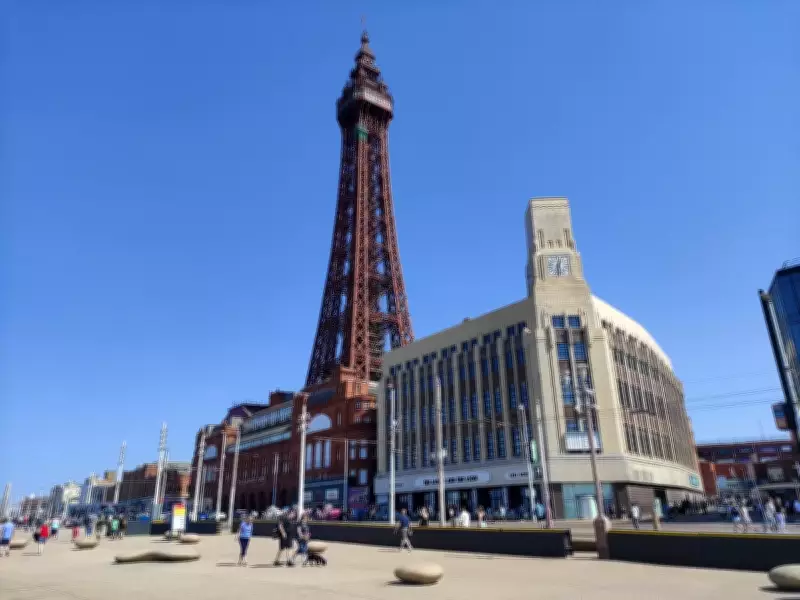
Rising above it all is the iconic Blackpool Tower, bearing a slight resemblance to the Eiffel Tower. During a visit with my partner's Parisian father, Bernard, we explored Lancashire's coast. Bernard recalled seeing pictures of Blackpool in school books and was curious about its reality. Like many British seaside towns that thrived during the industrial revolution, Blackpool faced a decline in the late 20th century, struggling to compete with budget-friendly European sun destinations.

However, recent investment has revitalized the town, with new offices, hotels, and leisure ventures emerging alongside upgrades to the beloved Victorian-era tramway along the seafront. Bernard found many aspects that matched his preconceptions: aromas of fried food, loud arcades, fairground rides, sweet shops, and the impressive tower, which houses attractions like an opulent ballroom and a glass-floored skywalk 116 meters high.
Surprises and New Attractions
Blackpool also offered surprises. We enjoyed artisan coffee from Fran Cosgrave, an Irish celebrity DJ, at Abingdon Street Market, a new covered food and retail hall featuring Lancashire craft beers, Japanese street food, and nostalgic posters. Bernard was pleasantly surprised by the long, wide promenade and the golden beach revealed when the Irish Sea tide recedes, far surpassing Paris's artificial summer beaches.
Families engaged in timeless activities like building sandcastles and taking donkey rides. The town's architectural mix, including the Art Deco former Woolworths building now a pub near the tower, caught our eye. Nearby, Showtown, a new museum, chronicles Blackpool's history with glitzy displays and interactive exhibits, including a gallery on the Blackpool Illuminations, a free light show running from September 4, 2026, to January 3, 2027.
Festivals and Dining Delights
Upcoming events include the Blackpool Air Show each August and the World Moustache and Beard Championships in August 2027 at the Winter Gardens. For lunch, we visited Beach House, a new restaurant with a sea-facing terrace and boho-chic decor. Executive chef Diego Martinez offers lobster and oysters, but Bernard delighted in battered haddock and chips, paired with a crisp rosé from Provence.
Historical Piers and Cultural Icons
We strolled along the North Pier, opened in 1863 and the oldest of Blackpool's three piers, stretching 430 meters out to sea. It was here in 1948 that war veteran Harry Corbett bought a glove puppet, Sooty, which later became a TV icon in Britain. Interestingly, we passed French tourists on the pier, adding to the international flair.
Final Impressions and Artistic Potential
Sitting on a bench, Bernard shared his verdict: "It's like a big amusement park. How could you not have fun here?" We were glad he enjoyed it, and I believe Claude Monet would have too. Though he visited London regularly, Monet never came to Lancashire. Imagining him along Blackpool's promenade or on the tram to clifftop suburbs like Bispham, he'd find the changing light and hues perfect for painting, showcasing this coastal gem's enduring appeal.