Gen Z Sparks Analog Revival in Digital Age
In a surprising cultural shift, Generation Z and Millennials are increasingly embracing traditional hobbies and physical media, such as sewing, knitting, and CDs, as a deliberate pushback against the pervasive influence of technology. This movement, often dubbed "grandmacore" or "analog hobbies," reflects a growing desire to disconnect from screens and reclaim personal time from algorithms.
Rising Interest in Tangible Skills
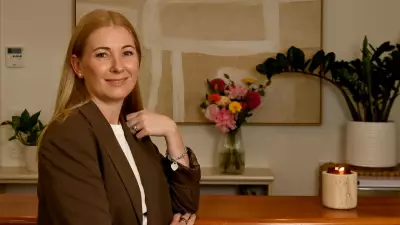
Arts and crafts businesses are witnessing a significant surge in demand. In the United States, searches for "analog hobbies" increased by 136 percent in the latter half of 2025, with "yarn knits" seeing a staggering 1200 percent rise last year. Locally, Emilie Otto, owner of the West Perth art school House of Hobby, reports booming business since the COVID-19 pandemic.
"People are bored with scrolling and have watched everything on Netflix," Otto explains. "There's a big element of taking time to switch off from daily distractions and learn something creative for themselves." Her school offers classes in sewing, watercolour, cross stitch, and pottery, attracting individuals seeking both skill development and a break from their phones.

Physical Media Makes a Comeback
Beyond crafts, physical media like CDs are enjoying a resurgence. In the UK, CD sales have risen 15 percent year-on-year, with retailer John Lewis reporting a 74 percent jump in CD player sales. This trend is not solely driven by nostalgia; Gen Z, born between 1995 and 2012, is leading the charge.
Chris Wilson-Smith, a 26-year-old Perth insurance underwriter, recently purchased a cassette player and plans to collect tapes, CDs, and DVDs. "It's about ownership and avoiding endless subscriptions," he says. "There's something intentional about playing an album without jumping around tracks." He has deleted TikTok and prefers DVDs and cinema visits to regain attention span.
Social Media Fuels Offline Movements
Ironically, this analog revival often originates online. Platforms like Instagram and TikTok feature thousands of videos showcasing "analog bags" filled with crossword books, knitting supplies, and magazines for offline entertainment. Abby Gleadhill, a 24-year-old who founded Craftygrrrlz, a group for women to create together, sees it as a form of rebellion.
"It's moving away from consuming to creating, which is great for mental health," Gleadhill notes. She organizes meetups in parks where strangers scrapbook, sew, or knit, fostering real-world connections. "We're tired of socializing through apps and want to meet people in person," she adds, highlighting the challenge of balancing smartphone reliance with offline pursuits.
Cognitive Concerns Drive Change
This shift is partly motivated by concerns over technology's impact. Neuroscientist Jared Cooney Horvath presented findings to the US Senate, indicating Gen Z has lower cognitive ability than previous generations, attributing it to screen overuse. "It's not about rejecting technology but aligning it with how learning works," he emphasized, pointing to weakened educational environments from digital expansion.
As younger generations navigate a world saturated with devices, the analog movement offers a pathway to more intentional living, blending creativity with community in an increasingly digital landscape.