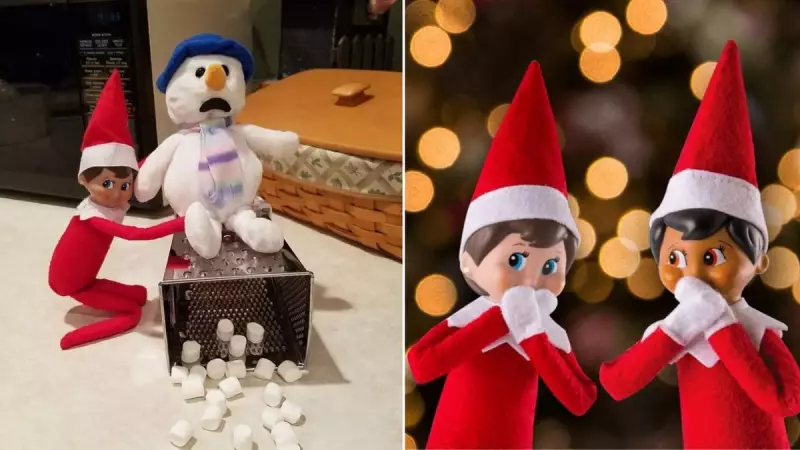
For two decades, a tiny red-suited doll has been stealthily transforming December mornings in homes across Australia and the world. The magical tradition of Elf on the Shelf, a festive spy reporting back to Santa, is celebrating its 20th anniversary, having grown from a simple family story into a global holiday phenomenon.
The Humble Beginnings of a Festive Spy
The enchanting concept was brought to life by twin sisters Chanda Bell and Christa Pitts, who were inspired by a childhood tradition crafted by their mother. In 2005, the sisters took a significant personal risk by self-publishing a storybook featuring the now-iconic doll with its cone hat and white collar. Their goal was simple: to share the magic and joy they had experienced.
The story explains that Santa sends a Scout Elf to each home. Each night, the elf magically flies to the North Pole to deliver a report on who's been naughty or nice, before returning to a new spot in the house by morning, often caught in playful mischief. A core rule states the elf must never be touched, or its magic—and its ability to fly back—could vanish.

From Paparazzi Spotlight to Global Sensation
After countless rejections, their big break arrived unexpectedly when paparazzi photographed actress Jennifer Garner carrying The Elf on the Shelf book. This spark ignited a wildfire of popularity. What began as a quaint US family custom rapidly evolved into a worldwide sensation, beloved by multiple generations.
"We certainly never saw what it would become today," Bell admitted, reflecting on the elf's journey to becoming almost as synonymous with Christmas as Santa Claus himself. To date, over 31 million Scout Elves have found homes. The accompanying storybook is the fourth bestselling children's book of the last 25 years, surpassing even Dr. Seuss, and animated specials now stream on Netflix.
The Delightful Chaos of Elf Ownership
Adopting an elf, available from major retailers, comes with a book for the original story and official naming rights, letting families create their own nightly adventures. This has spawned a massive culture of creative—and often chaotic—setup sharing on social media.
However, the tradition is not for the faint-hearted. Parents often find themselves sleep-deprived, staying up late to stage elaborate scenes, carefully wiring delicate limbs, and fearing a broken elf would require a new story by dawn. The quest for a fresh hiding spot each night leads to 240 setups over a 10-year period.
Household hazards abound. Cats and dogs are natural enemies, with cats sabotaging displays and dogs claiming elves as toys. Questionable hiding spots have led to elves being nearly baked in ovens, stuck in car bumpers, or taken for an involuntary spin in the washing machine. The "no touching" rule has hilariously disrupted dinner prep and laundry when an elf perches in the way.
Naming the elf also brings laughs, with some receiving classic names like "Snowie," while others endure monikers like Sir Wigglebottom or Princess Sparklepuff.
A Legacy of Magic and Mischief
As the first "Elf generation" grows up, the setups have evolved from innocent scenes to cheekier, more elaborate pranks, with even adults joining the fun. The brand, managed by the company Lumistella, continues to expand with a video game, a preschool YouTube show called Scout Elf Squad, and a middle-grade novel exploring Santa's backstory.
Two decades on, the tiny Scout Elf's legacy is secure. It has cemented itself as a unique blend of festive anticipation, creative expression, and good-natured household chaos, ensuring its place in Christmas traditions for years to come.