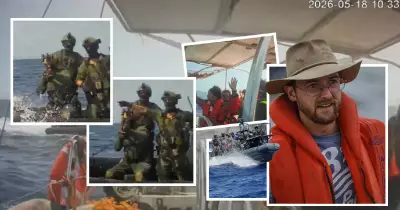
Australian activist Zack Schofield has come forward with detailed allegations of abuse and mistreatment at the hands of Israeli authorities during his involvement in a flotilla mission aimed at delivering aid to Gaza. Schofield, who was part of the Freedom Flotilla coalition, described his ordeal in a recent interview, shedding light on the conditions he and other activists faced.
Details of the Alleged Abuse
According to Schofield, the abuse began when Israeli naval forces intercepted the flotilla in international waters. He claims that soldiers boarded the vessel aggressively, using physical force against the activists. Schofield reported being handcuffed, blindfolded, and subjected to verbal abuse during the takeover. He also alleged that personal belongings were confiscated and that activists were denied access to legal representation.
Detention and Interrogation
Following the interception, Schofield and others were taken to an Israeli detention facility. He described the conditions as cramped and unsanitary, with limited access to food and water. Interrogation sessions, he said, were lengthy and intimidating, with officials pressing him about his political affiliations and motives for joining the flotilla. Schofield maintained that his intentions were purely humanitarian, aiming to break the blockade on Gaza.

International Response
The Australian government has been urged to investigate the allegations. A spokesperson for the Department of Foreign Affairs and Trade confirmed that consular assistance was provided to Schofield during his detention. However, critics argue that more needs to be done to hold Israel accountable for its treatment of activists. The incident has reignited debate about the legality of the Gaza blockade and the rights of humanitarian missions.
Broader Context
The Freedom Flotilla has long been a source of tension between Israel and activist groups. Israel defends its actions as necessary to prevent weapons from reaching Hamas, while activists argue that the blockade constitutes collective punishment against Gaza's civilian population. Schofield's account adds to a growing body of testimonies from individuals who claim to have experienced similar treatment.
Schofield concluded his interview by calling for greater international scrutiny of Israel's actions and for support for peaceful activism. He emphasized that his experience would not deter him from advocating for Palestinian rights.