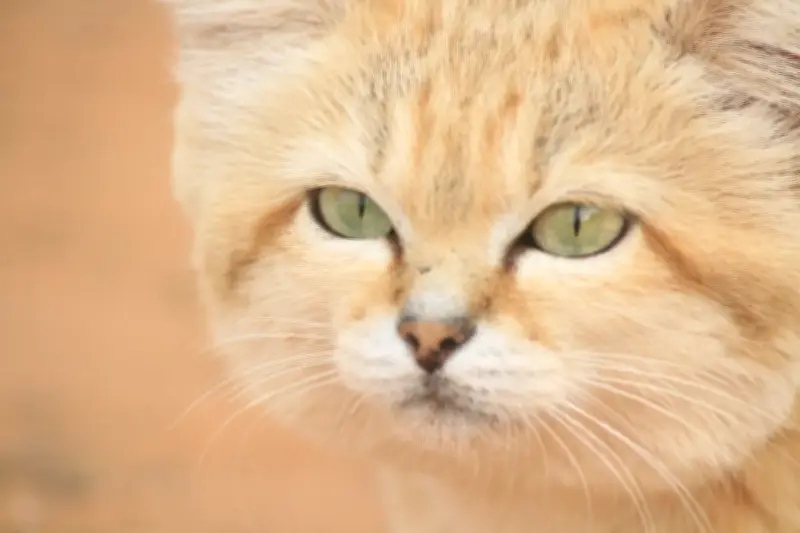
A YouTube video has provided the first confirmed evidence of the rare and elusive sand cat (Felis margarita) living in Libya, a discovery that has thrilled conservationists and wildlife enthusiasts. The footage, uploaded by a Libyan wildlife enthusiast, shows a sand cat moving through a rocky desert landscape in the country's southwestern region, near the border with Algeria. This marks the first documented sighting of the species in Libya in over 20 years, according to wildlife experts.
Video Evidence Confirms Species Presence
The video, which has garnered over 500,000 views since its posting earlier this month, was filmed using a camera trap set up by the uploader, who wishes to remain anonymous for safety reasons. The footage clearly shows the distinctive features of the sand cat: a broad head, large ears, and a pale sandy coat that helps it blend into its arid environment. Dr. Farida Al-Mahdi, a wildlife biologist at the University of Tripoli, confirmed the identification after reviewing the footage. "This is a monumental find for Libyan biodiversity," she said. "The sand cat is notoriously difficult to spot due to its nocturnal habits and remote habitat. This video provides irrefutable proof that the species still exists in Libya."
Historical Context and Conservation Importance
Sand cats are listed as Near Threatened on the IUCN Red List, with populations declining across their range in North Africa, the Middle East, and Central Asia. In Libya, political instability and habitat degradation have made wildlife surveys challenging. The last unconfirmed sighting in the country was in 2002, but no photographic or video evidence existed until now. Conservationists hope this discovery will spur further research and protection efforts. "This finding underscores the importance of citizen science in documenting biodiversity in conflict-affected regions," said Dr. Al-Mahdi. "We are now planning a targeted survey to assess the population size and threats facing sand cats in this area."

Implications for Wildlife Research
The video has also sparked interest among international conservation groups, including the Sahara Conservation Fund. They emphasize that the sand cat's presence indicates a relatively healthy desert ecosystem. However, threats such as habitat loss, hunting, and climate change remain significant. The Libyan government has not yet commented on the discovery, but local environmental groups are calling for the establishment of a protected area in the region. The video's uploader expressed hope that the footage would raise awareness about Libya's hidden natural treasures. "I never imagined this video would get so much attention," they told local media. "I just wanted to show that Libya has beautiful wildlife worth protecting."