The death toll from the catastrophic earthquake that struck Venezuela last week has risen above 4,000, according to the latest official figures released by the country's disaster management agency. The 7.8-magnitude quake, which hit the northern coastal region on July 8, has left thousands injured and hundreds missing, with rescue operations ongoing in the hardest-hit areas.
Devastation and Rescue Efforts
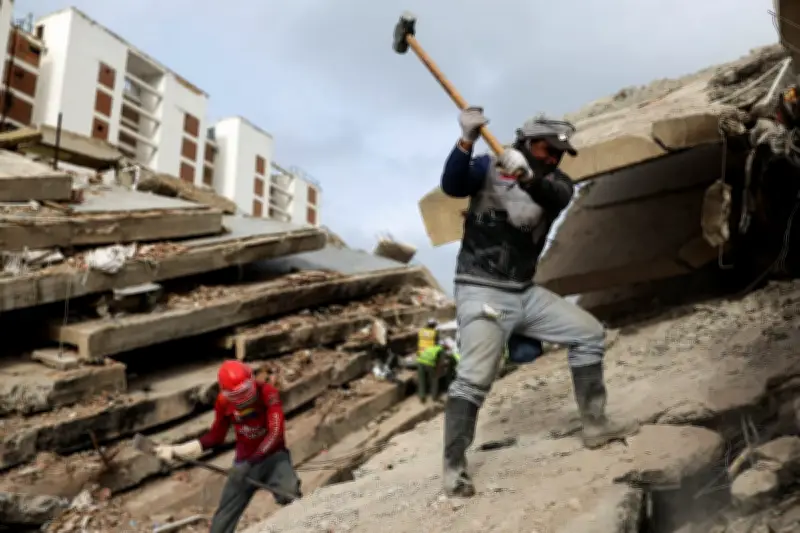
Search and rescue teams, including international aid workers, are working tirelessly to locate survivors trapped under rubble. The cities of Caracas, Maracaibo, and Valencia have suffered extensive damage, with entire neighborhoods reduced to debris. More than 12,000 people have been reported injured, and over 50,000 are displaced, seeking shelter in temporary camps set up by the government and humanitarian organizations.
"We are facing an unprecedented tragedy," said Interior Minister Carmen Meléndez in a press conference. "Our priority remains saving lives, and we are deploying every available resource to reach those still trapped."

International Response and Aid
Several countries, including the United States, China, and Russia, have pledged humanitarian aid and sent rescue teams. The United Nations has allocated $20 million for emergency relief, while the Red Cross is providing medical supplies and shelter. However, logistical challenges, including damaged roads and power outages, have hampered the delivery of aid to remote communities.
"The scale of destruction is immense, and the need for international support is critical," said UN spokesperson Stéphane Dujarric. "We are coordinating with Venezuelan authorities to ensure aid reaches those most in need."
Impact on Infrastructure and Economy
The earthquake has severely damaged critical infrastructure, including hospitals, schools, and water systems. The government has declared a state of emergency in five states, and the military has been deployed to maintain order and assist in relief efforts. The economic impact is expected to be substantial, with estimates suggesting billions of dollars in damages, further straining Venezuela's already struggling economy.
According to the U.S. Geological Survey, the quake was the strongest to hit Venezuela in over a century. Aftershocks continue to rattle the region, causing additional panic and hindering rescue operations.
Looking Ahead
As the recovery effort enters its fourth day, officials warn that the death toll could rise further as teams reach more remote areas. The focus remains on search and rescue, but planning for long-term reconstruction has already begun. President Nicolás Maduro has promised swift action, but critics question the government's capacity to manage the crisis given ongoing political and economic challenges.