The City of Perth has approved a landmark long-term framework aimed at transforming the central business district from a place of work and shopping into a vibrant residential and social hub. Lord Mayor Bruce Reynolds emphasised that the city centre must evolve to remain relevant in the coming decades.
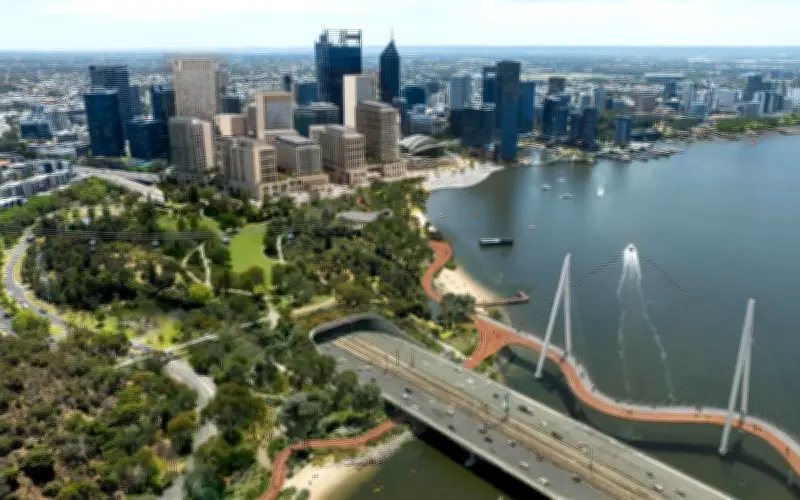
The Shaping Perth City Centre: Towards 2036 and Beyond framework, developed with international urban design firm Gehl, seeks to create a more liveable, people-focused destination. Proposals include strengthening connections between the city and the Swan River, expanding tree canopy cover, improving cycling and pedestrian infrastructure, and creating new “living streets” in residential areas. The plan also aims to embed Whadjuk Nyoongar culture throughout the built environment.
Key Infrastructure Proposals
The framework identifies potential for future light rail along Wellington Street and St Georges Terrace, and explores long-term options such as a cable car connection between the city and Kaarta Gar-up (Kings Park). These projects are designed to improve connectivity and reduce car dependency.

“We as a city can’t thrive if everyone leaves at 5 o’clock,” Mr Reynolds told PerthNow. “People leave at 5 o’clock because there isn’t anything for them to do in there.” He noted that Perth can no longer compete with suburban shopping centres on retail alone, prompting a reimagining of the Hay and Murray street malls. “The malls are old tech,” he said. “They were built 100 years ago when it was a shopping precinct.”
Retail and Entertainment Evolution
Under the framework, Murray Street Mall will remain the primary retail destination, while Hay Street Mall will transform into a dining, hospitality and entertainment precinct focused on independent operators and evening activity. This shift aims to attract more people to the city after business hours.
Boosting Residential Population
A key element of the framework is dramatically increasing the number of people living in the city centre. “More people living in the city means more life, more safety and more activity,” Mr Reynolds said. He stressed that the project is about more than buildings and infrastructure. “The study or the plan isn’t about buildings, it’s about planning for people. It’s not just for the residents of the City of Perth. This is a vision for the whole of WA.”
Gehl managing director Henriette Vamberg said Perth’s greatest opportunity was unlocking more residential development in the CBD. “There’s something around the residential component and how to unlock more residential development in the city centre,” she said. Ms Vamberg noted that cities globally are grappling with housing affordability, climate change, and changing patterns of work and movement. “Some of the primary challenges are definitely around climate and around adapting the cities to more heat and less water. The affordability housing shortage, but also affordable living in the cities.”
Embracing Natural Assets
Ms Vamberg described the Swan River as a “beautiful asset” that should be explored over the years to come. Part of her vision for the city by 2036 includes fewer incidents of people feeling unsafe and abused on the street. “This about having a more friendly, inviting city,” she said.
Mr Reynolds said planning now was essential as Perth continues to grow. “Perth is changing whether we like it or not. The study is making sure we shape the change rather than reacting to it. The worst thing that a city can do is to stop planning for the future.”
The Shaping Perth City Centre: Towards 2036 and Beyond framework is available online for public viewing.