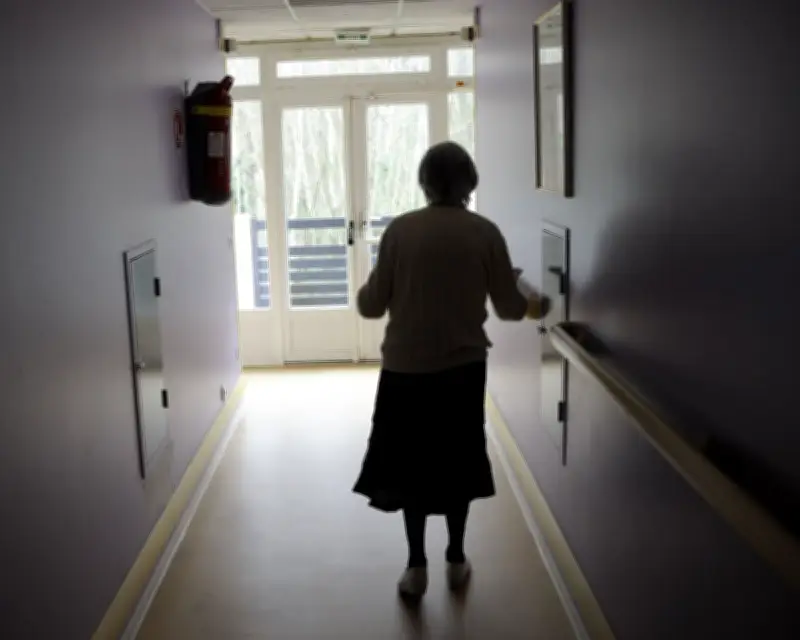
A landmark ruling by the UK Supreme Court has overturned a key legal framework that protected hundreds of thousands of vulnerable people, including those with advanced dementia, severe learning disabilities, and autism, from abuse in care homes and hospitals. Charities warn that the decision removes vital safeguards and introduces a regressive legal standard that devalues the dignity of disabled people.
What the Ruling Changes
The judgment, issued on Tuesday, abolishes the deprivation of liberty safeguards (Dols) system established by the 2014 Cheshire West ruling. Under that framework, people lacking mental capacity to consent to care—such as those with serious mental illness or advanced dementia—were entitled to independent checks on the safety and appropriateness of their care. The new ruling means that individuals who appear passive or do not actively protest their care, even if sedated or restrained, will be deemed to have consented, losing access to oversight and legal protections.
Charities' Concerns
Disability charities Mencap, Mind, and the National Autistic Society condemned the decision, stating it removes safeguards that history shows are vital for disabled people. They argued that stripping away independent checks, advocacy, and automatic legal aid makes it easier for abuse and neglect to go unnoticed behind closed doors. The charities pointed to past scandals, such as Winterbourne View and the death of Connor Sparrowhawk, as evidence of the need for robust oversight.

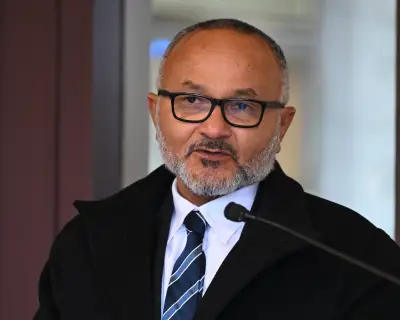
Oliver Lewis, a barrister at Doughty Street Chambers representing the charities, said the judgment ignores decades of evidence that some people with disabilities are more suggestible and vulnerable to institutionalisation and normalisation of abuse. Campaigners are also frustrated that the changes were implemented without public debate, parliamentary consultation, or an official risk and impact assessment.
Government and Council Responses
The UK Department of Health and Social Care (DHSC) and the Northern Ireland executive had challenged the Cheshire West framework, arguing it was wrong in law, no longer needed, and created expensive bureaucracy. The DHSC claimed that other safeguards, such as Care Act protections and care quality inspections, now provide sufficient oversight.
Rashpal Bishop, vice-president of the Association of Directors of Adult Social Services, called the ruling seismic, noting it would reduce the number of Dols applications and allow councils to reallocate resources. The system will now focus on a smaller group of people who actively object to their care or face extreme restrictions.
A government spokesperson said they respect the Supreme Court's decision and will consider its impacts, with guidance to be issued shortly. However, campaigners fear months of chaos as local authorities cancel existing authorisations and new applications, leaving disabled people and families in limbo.
Background on Dols
The Cheshire West judgment massively expanded the Dols system, from about 14,000 people in 2013-14 to an estimated 400,000 in 2023-24. Each annual reassessment could cost over £500. Concerns about the administrative burden led to 2019 legislation for a streamlined system, but successive governments failed to implement it. The current government pledged to consult on a new approach, but the consultation has yet to open.
Campaigners are calling for urgent government guidance to prevent a care crisis and ensure the rights of vulnerable people are protected.