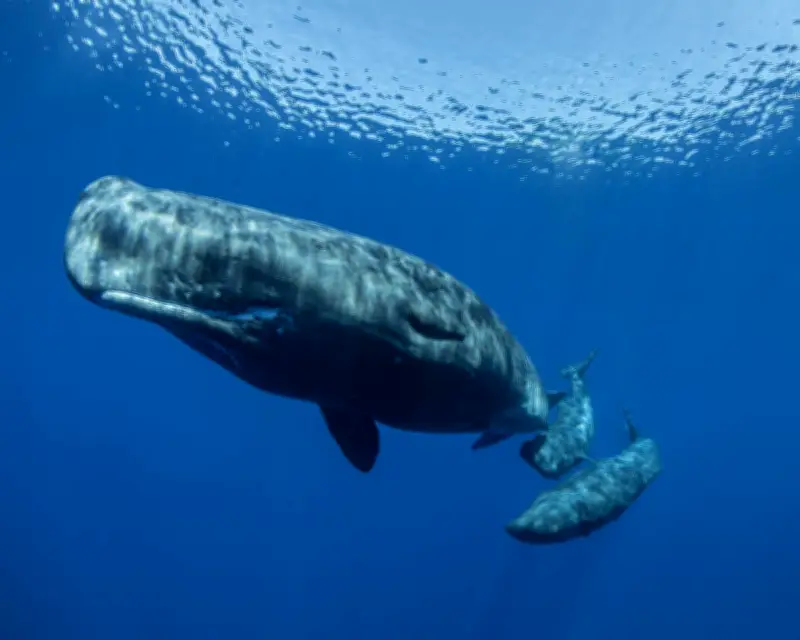
For the first time, researchers have identified distinct dialects among sperm whales in the Mediterranean Sea, suggesting that these endangered marine mammals form cultural groups based on their vocalizations. The study, led by the University of St Andrews and published in the journal Royal Society Open Science, analyzed recordings of sperm whale clicks from 23 different regions across the Mediterranean.
Unique Dialects Identified
The team discovered that sperm whales in the Mediterranean produce unique patterns of clicks, known as codas, which differ from those of their Atlantic relatives. These codas are used for communication and are learned socially, much like human languages. The researchers found that the Mediterranean whales have a distinct repertoire of coda types, with some patterns being exclusive to certain areas. According to lead author Dr. Luke Rendell, “This is the first evidence of dialect differences in sperm whales outside the Pacific. It shows that cultural transmission of vocalizations is a widespread phenomenon in this species.”
Endangered Population
The Mediterranean sperm whale population is estimated at fewer than 2,500 individuals and is considered endangered due to threats from ship strikes, fishing gear entanglement, and noise pollution. The discovery of dialects indicates that these whales have complex social structures, which may have implications for conservation efforts. Co-author Dr. Carsten Egevang noted, “Understanding their cultural diversity is crucial for protecting them. If we disrupt their social groups, we may lose unique cultural knowledge.”

Implications for Conservation
The findings suggest that conservation strategies should consider the cultural distinctiveness of different whale groups. The researchers recommend that marine protected areas be designed to encompass the habitats of specific dialect groups. “We need to treat these dialects as indicators of distinct populations,” said Dr. Rendell. The study also highlights the importance of reducing underwater noise, which can interfere with whale communication. The International Whaling Commission has recognized the need for further research on Mediterranean sperm whales, and this study provides a foundation for future monitoring efforts.