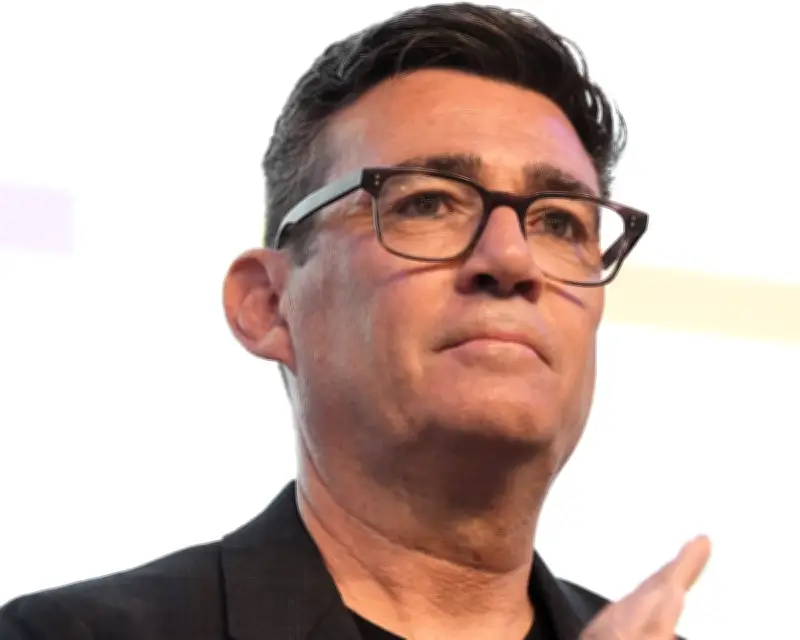
Labour MPs, led by Greater Manchester Mayor Andy Burnham, are intensifying calls for the UK government to restore overseas aid spending to the legally mandated 0.7% of gross national income (GNI). The demand comes after the Conservative government cut the aid budget to 0.5% in 2021, citing economic pressures from the COVID-19 pandemic.
Background of the Aid Cut
The reduction from 0.7% to 0.5% marked the first time the UK had failed to meet its legal commitment under the International Development (Official Development Assistance Target) Act 2015. The cut saved an estimated £4 billion annually but drew sharp criticism from development charities, UN agencies, and cross-party politicians. Burnham, a former Labour leadership candidate, described the cut as “a moral stain on our country” during a parliamentary debate.
Current Push for Restoration
In a coordinated effort, Burnham and other Labour MPs have tabled an amendment to the government’s upcoming Finance Bill, seeking to reinstate the 0.7% target from April 2027. The amendment has garnered support from over 50 Labour MPs, including shadow foreign secretary David Lammy. “We cannot claim to be a global leader on development while slashing the very funds that save lives and build resilience,” Burnham said in a statement.

The campaign has also been backed by former prime ministers Gordon Brown and Tony Blair, who argue that the cut undermines Britain’s soft power and its ability to address global challenges like climate change and pandemics.
Impact on Aid Projects
According to data from the Organisation for Economic Co-operation and Development (OECD), UK bilateral aid fell by 34% in real terms between 2020 and 2022. The cuts have particularly affected programs in sub-Saharan Africa and South Asia, including health initiatives, girls’ education, and climate adaptation. Save the Children reported that the reduction led to the closure of 15 nutrition centers in Somalia, affecting over 50,000 children.
Government Position
The Treasury has resisted calls to restore the 0.7% target, arguing that fiscal discipline is necessary to control inflation and public debt. A government spokesperson said: “We remain committed to international development, but we must prioritize domestic recovery. The aid budget will be restored when fiscal conditions allow.” However, no timeline has been provided.
Political and Public Support
Opinion polls suggest public support for restoring aid is mixed. A YouGov survey in June 2026 found 42% of respondents favored returning to 0.7%, while 38% preferred maintaining the current level. Among Labour voters, support for restoration was at 68%. The issue is expected to feature prominently in the next general election campaign, with Labour pledging to reinstate the target within its first year in office.
International Reactions
UN Secretary-General António Guterres has urged the UK to reverse the cut, calling it “a setback for global solidarity.” Several European nations, including Germany and Sweden, have maintained or increased their aid budgets, putting pressure on the UK to follow suit. The UK’s aid cut has also been cited by critics as a factor in the country’s declining influence in international forums.