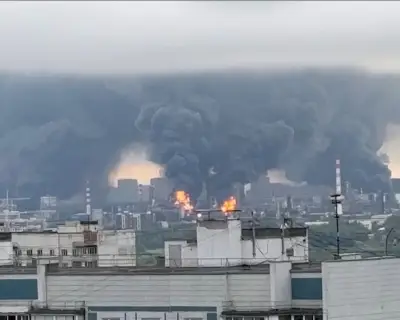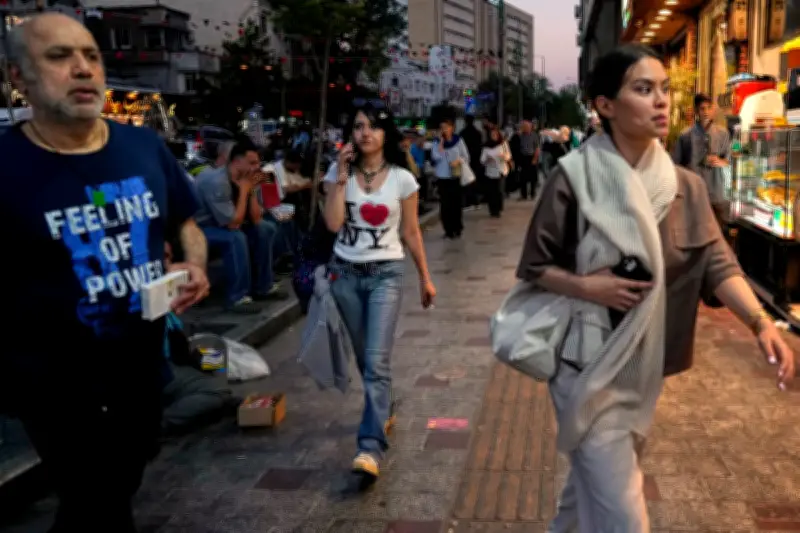
Iran's political establishment has weathered a significant military conflict, yet experts argue that the regime's survival hinges on its ability to forge a genuine peace with its own citizens. The war, which placed immense strain on the country's resources and social fabric, has left the government facing a restive population demanding political and economic reforms.
The Aftermath of War
According to regional analysts, the conflict exposed deep fissures within Iranian society. While the regime successfully repelled external threats, the cost of war has exacerbated domestic grievances. Unemployment remains high, inflation is rampant, and public trust in state institutions has eroded.
"The regime has shown it can survive external pressure, but the real challenge lies within," said Dr. Farhad Rezaei, a political scientist at the University of Tehran. "Without addressing the legitimate demands of the people, the government risks further unrest."

Economic and Social Pressures
The war's economic toll has been severe. Iran's GDP contracted by an estimated 12% during the conflict, and the rial has lost significant value. International sanctions, already in place before the war, have been tightened, limiting the regime's ability to provide basic services.
Protests have erupted in several cities, with demonstrators calling for better living conditions and political freedoms. The regime has responded with a mix of concessions and crackdowns, but analysts say a more comprehensive approach is needed.
Calls for Reconciliation
In a rare public statement, a group of former senior officials urged the government to initiate a national dialogue. "The war is over, but the battle for the hearts and minds of Iranians has just begun," they wrote. "True security comes from within, not from military might."
The regime has signaled some willingness to engage, with President Ebrahim Raisi announcing a series of economic reforms. However, critics argue that these measures fall short of the systemic change required.
International Implications
Iran's internal stability has significant implications for the region. A volatile Iran could destabilize neighboring countries and complicate ongoing nuclear negotiations. Western powers have urged Tehran to prioritize human rights and democratic reforms.
"The international community must support a peaceful transition in Iran," said a European diplomat. "A stable Iran is in everyone's interest."